Google signs world’s first fusion energy purchase agreement
Google has concluded a historic agreement to purchase 200 megawatts of fusion energy from Commonwealth Fusion Systems, marking the entry of technology giants into the commercial era of this new energy form.

| Sectors | Fusion Energy, Tokamak |
|---|---|
| Themes | Investments & Transactions, Contracts |
| Companies | Massachusetts Institute of Technology |
| Countries | United States |
Google has just announced the signing of the world’s first commercial fusion energy purchase agreement. The deal stipulates that the American technology company will acquire 200 megawatts (MW) of electricity produced by a reactor developed by Commonwealth Fusion Systems (CFS), a spin-off company from the Massachusetts Institute of Technology (MIT). This unique contract represents a significant breakthrough in the development of fusion, an energy technology designed to generate electricity by artificially replicating the reaction that powers stars. The reactor, named ARC, will be located in Chesterfield County, Virginia, and is expected to begin operations in the early 2030s.
Terms of the Agreement Between Google and CFS
The agreement not only involves the initial purchase of 200 MW but also provides Google with an option to secure additional energy from future CFS reactors. Alongside this energy supply contract, Google has announced an increased financial stake in CFS, though the exact amount of this additional investment remains undisclosed. The tech firm previously invested in CFS during a 2021 financing round, significantly contributing to the $1.8 billion raised by the company at the time.
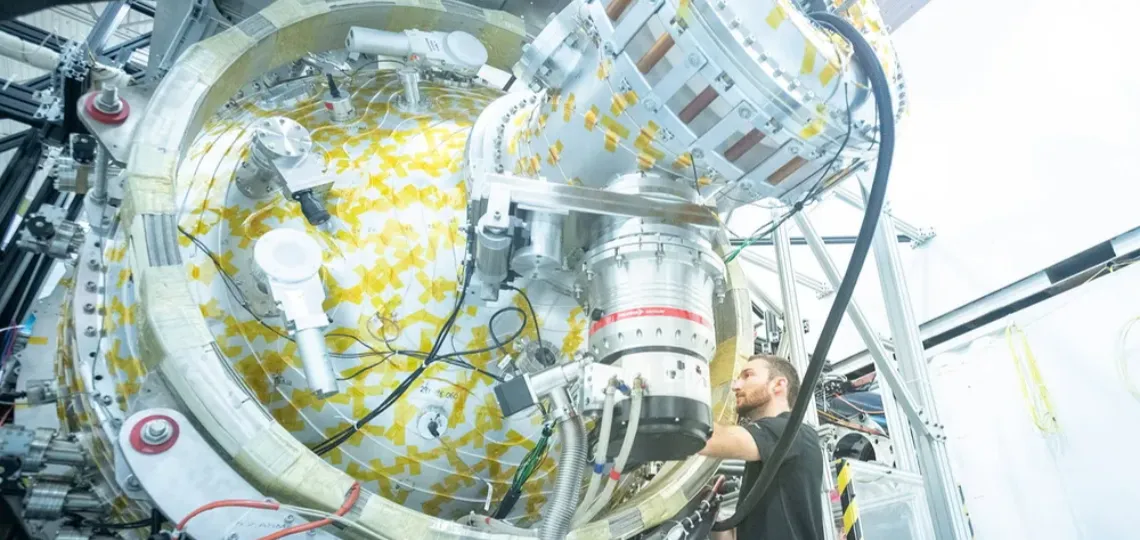
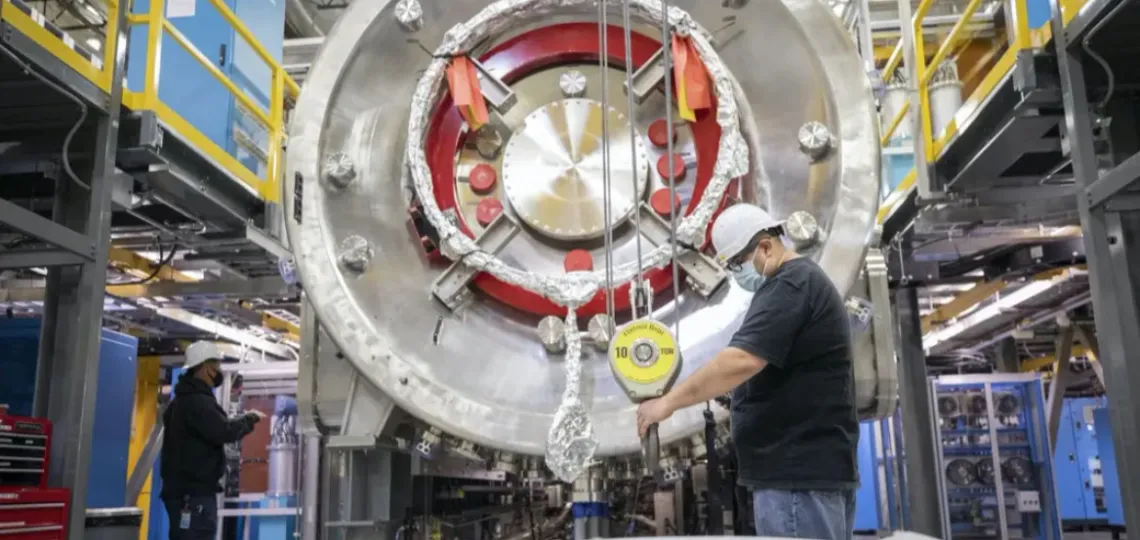
This strategic decision allows Google to diversify its energy supply while responding to increasing demand driven by power-intensive technologies, notably artificial intelligence. For Commonwealth Fusion Systems, this agreement marks a critical step in their development strategy, aimed at demonstrating the industrial feasibility of its SPARC reactor, currently under construction in Massachusetts and expected to become operational from 2026.
A New Energy Model for the Tech Industry
Until now, large technology companies, commonly referred to as hyperscalers, have primarily relied on traditional renewable energies such as wind and solar to power their infrastructures. The acquisition of fusion energy therefore represents a notable evolution, highlighting growing interest in alternative technologies capable of providing a constant supply of energy without direct carbon emissions.
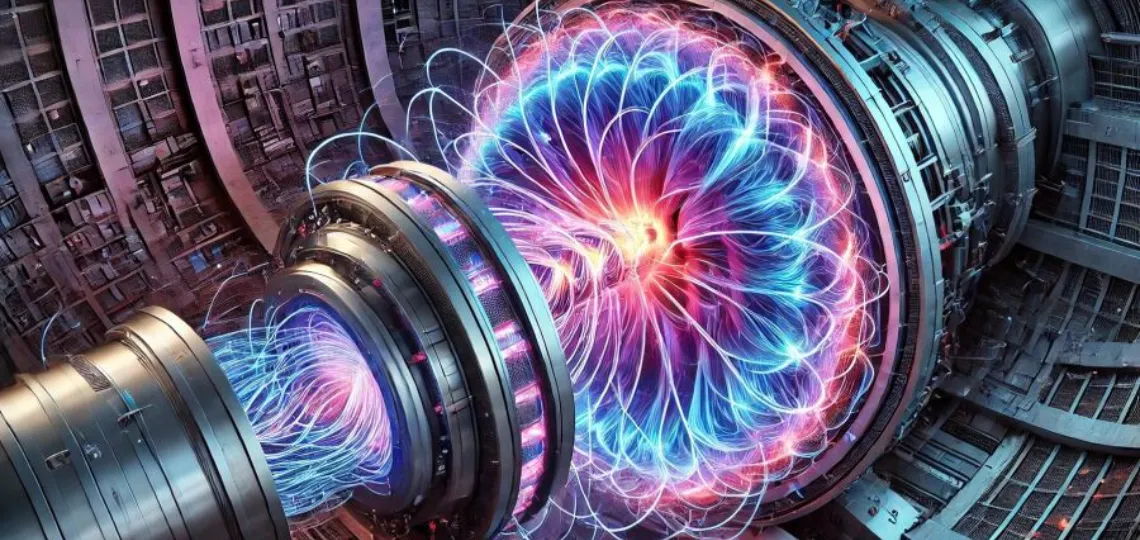
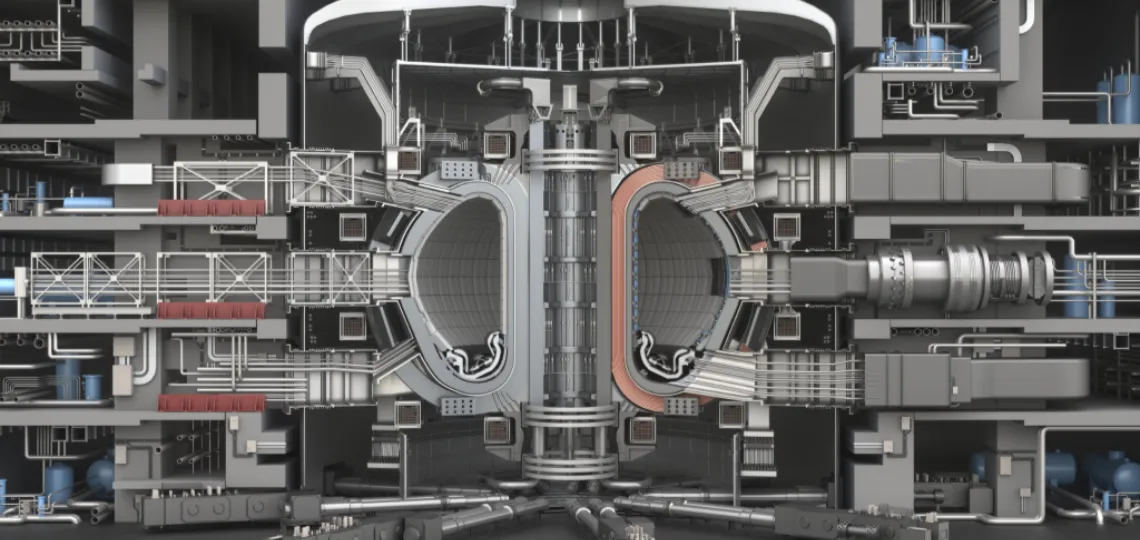
CFS’s technology is based on magnetic fusion principles utilizing high-temperature superconductors to create plasma heated to several million degrees Celsius, generating a controlled fusion reaction. While significant technical and economic challenges remain, this approach is increasingly attracting attention from multinational companies eager to secure their future energy needs.
Project Timeline and Challenges
The ARC project in Virginia targets an initial commercial electrical production capacity of 400 MW, with the first effective deliveries anticipated in the early 2030s. Until then, CFS must overcome several critical milestones, including the successful commissioning of its demonstration reactor, SPARC, which aims to reach energy breakeven, also known as Q>1, around 2027.
However, Google and CFS acknowledge numerous scientific and technological obstacles still exist before fusion becomes economically viable on a large scale. These challenges include sustained plasma management, improving construction materials capable of withstanding extreme temperatures, and managing long-term operating and maintenance costs.