French Economy Minister Warns of Oil Shock With Potential Systemic Effects
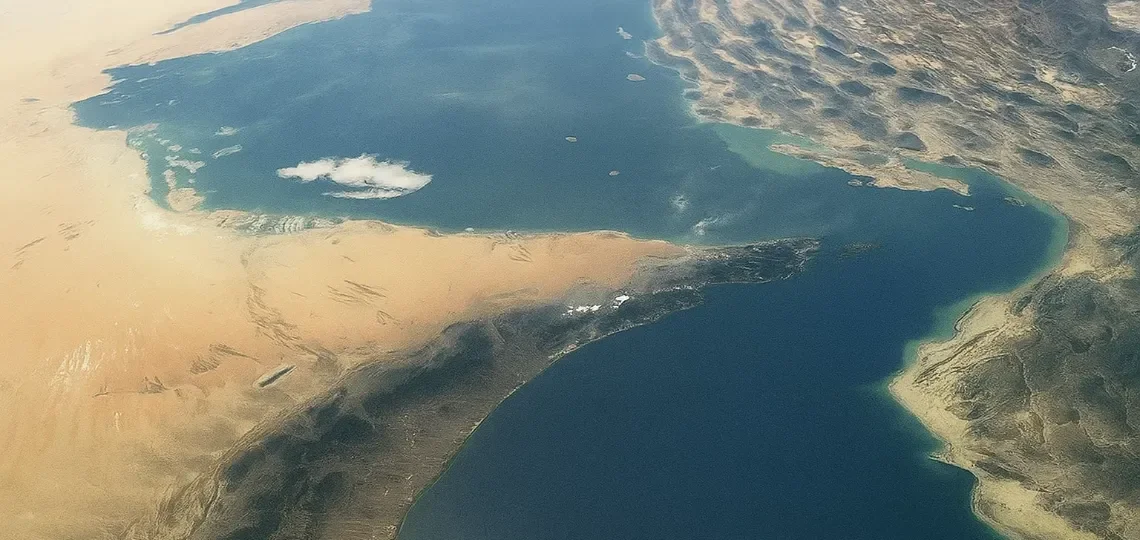
Economy Minister Roland Lescure warns of a new oil shock driven by the Middle East conflict, which could cut French growth by 0.3 to 0.4 percentage points if crude holds at $100 per barrel.
| Countries | France, Allemagne, Italie |
|---|---|
| Sector | Pétrole, Carburants, Gaz, GNL |
| Theme | Politique & Géopolitique, Sécurité énergétique |
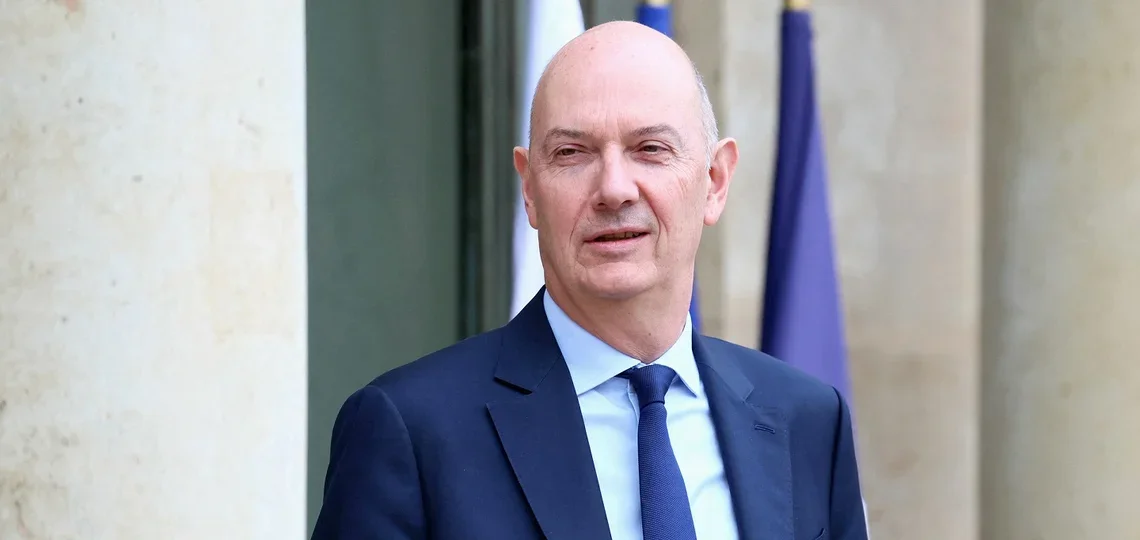
Roland Lescure, France's Economy Minister, told the National Assembly's Finance Committee on Tuesday that the Middle East war was triggering "a new oil shock" with potentially lasting consequences for French growth. He ruled out the hypothesis of a passing crisis, stating that the scenario in which economic effects "would fade with the end of the bombing" was "unfortunately no longer relevant." The minister warned that if the energy shock persisted beyond a few weeks, the crisis could become "more systemic in nature."
Fifteen to Twenty Percent of Global Oil Supply Off Markets
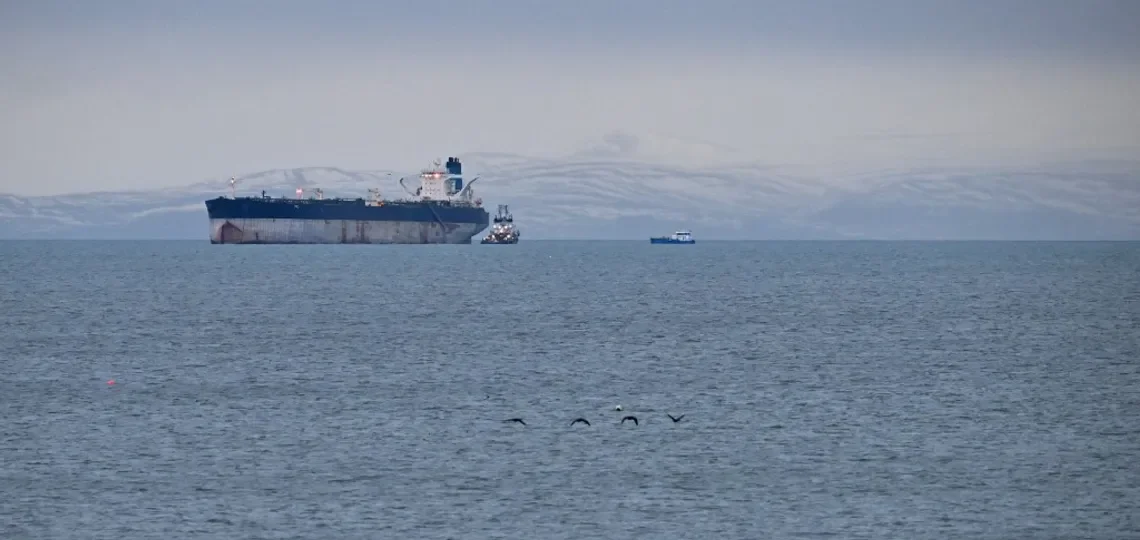
According to Lescure, the crisis has removed 15 to 20% of global oil supply and 20% of liquefied natural gas (LNG) from markets, equivalent to 11 million fewer barrels per day for the global economy. Oil prices have retreated as the IEA prepares to release additional strategic reserves, yet the minister warned the shock could turn "more systemic" if sustained. He said he was monitoring "the broader diffusion of the shock" across the economy, dependent on the conflict's duration and intensity.
The minister estimated that a permanent $10 rise per barrel represents approximately 0.1 percentage point less growth and 0.3 percentage point more inflation for France. A barrel sustained at $100 — a $35 shock compared to the pre-crisis scenario — would result in a negative impact of 0.3 to 0.4 percentage points on growth and one point on inflation. Crude rebounded to $100 per barrel amid persistent geopolitical tensions. France's national statistics institute (INSEE) forecasts growth of 0.2% in both the first and second quarters of the year.
France Better Positioned Than Its European Neighbors
Speaking on France Inter radio on Tuesday evening, Lescure tempered his remarks, noting that France "is not in the 1970s" and is "less exposed and better prepared than other countries." He highlighted France's electricity mix, which relies on nuclear power rather than gas, unlike Germany or Italy. "France entered this crisis in rather good shape," he said, while cautioning that "it will cost us" should the conflict prove prolonged.
On the budget front, the minister said he was awaiting the conclusions of an "alert committee" scheduled for April 21 before considering any revision to the state budget. He also announced that Public Accounts Minister David Amiel would establish in the coming days a crisis observatory to monitor the impact on public finances. An oil shock weighs on tax revenues through lower growth while simultaneously driving up certain social benefit expenditures, Lescure noted.
Fuel Station Margins Under Scrutiny
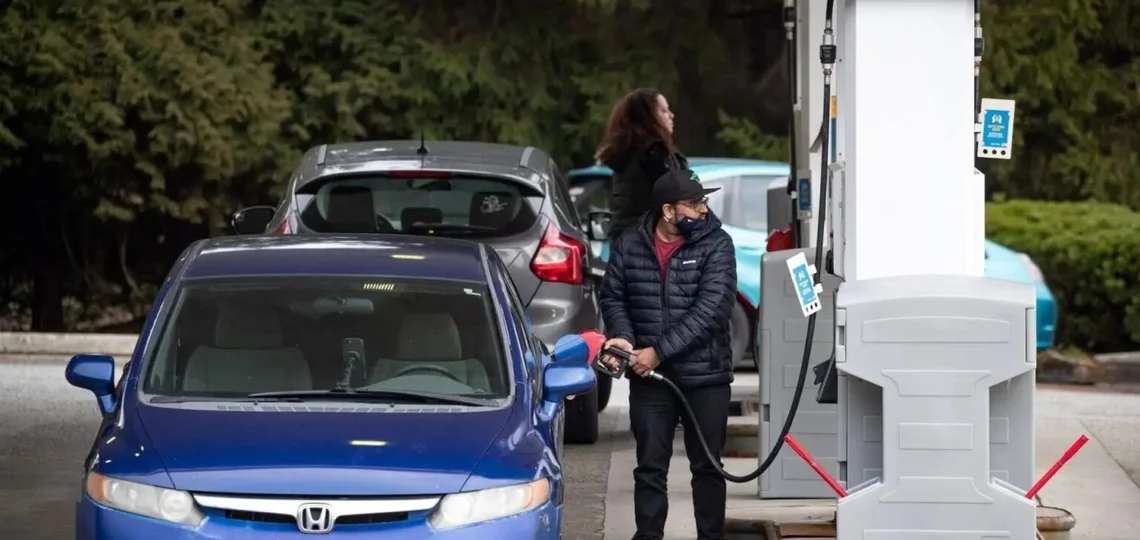
Facing consumer anger over rising fuel prices, Lescure assured that the state would not "enrich itself" from the crisis. He said "more than 1,000 inspections" had been carried out at fuel stations, identifying "5% excess" margins. Overall, according to the minister, distributor margins had not increased. He also ruled out any reduction in fuel taxes.