Chernobyl: The Economic Impact of Strikes on the Confinement Arch
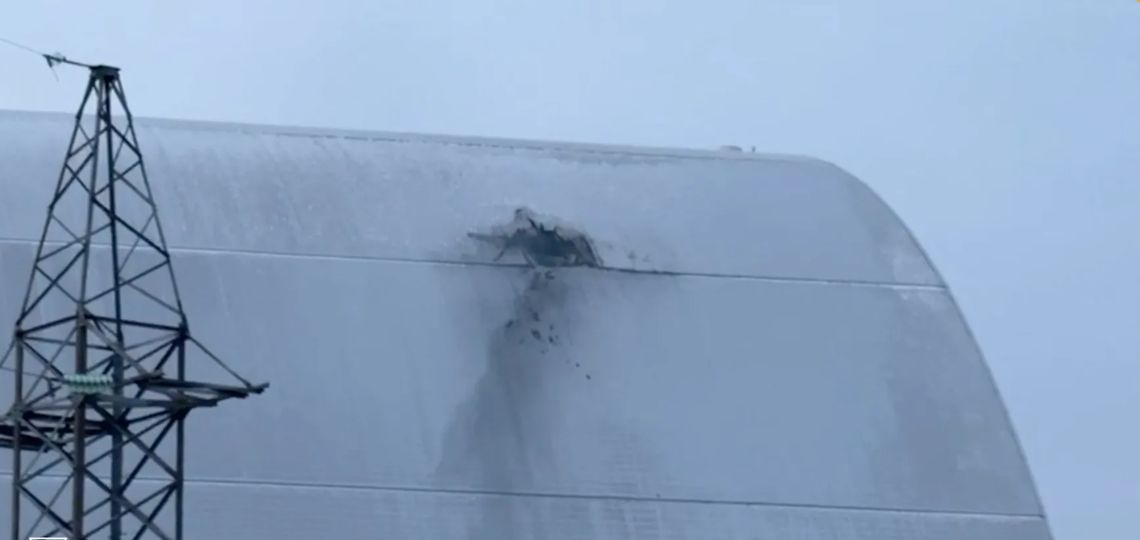
The attack of an explosive drone on the Chernobyl confinement arch raises questions about the security of critical infrastructure. The incident, confirmed by the IAEA, could have repercussions on energy markets and the management of nuclear assets.
| Sectors | Nuclear Energy, Fission |
|---|---|
| Themes | Policy & Geopolitics, Energy Security |
| Companies | AIEA, Kremlin |
| Countries | Russia, Ukraine |
Ukraine accuses Russia of striking the Chernobyl confinement arch with an explosive drone. Although no increase in radiation has been detected, the incident revives concerns about the security of nuclear sites in conflict zones and the implications for the energy sector.
Consequences for Nuclear Safety
The International Atomic Energy Agency (IAEA) confirmed that an explosion was heard at the site, specifying that on-site teams had identified material damage. The confinement arch, built to stabilize the site of the worst nuclear accident in history in 1986, had required an international investment of several billion euros.
According to Ukrainian authorities, “military measures” have been put in place to secure the area, although specific details have not been disclosed. On the Russian side, the Kremlin denied targeting nuclear infrastructure without providing further clarification on the attack.
Potential Impacts on the Energy Sector
The attack on Chernobyl comes as geopolitical tensions around the nuclear sector remain high. Europe, which financed much of the containment work, may have to reassess its commitments regarding the security of strategic infrastructure.
From an economic standpoint, uncertainty around sensitive sites like Chernobyl and Zaporizhzhia fuels volatility in energy markets. Since the beginning of the conflict, the prices of energy commodities have responded to risks affecting infrastructure. Any threat to nuclear facilities could influence investment decisions in the sector.
A Precedent with Zaporizhzhia
The incident echoes the situation at the Zaporizhzhia nuclear power plant, still under Russian control, where mutual accusations of strikes between the two sides persist. In March 2022, the capture of the site by Russian forces had already raised concerns about the security and technical management of the facility.
Tensions surrounding Zaporizhzhia and Chernobyl raise questions about the future of international cooperation on nuclear safety. Efforts to strengthen the resilience of energy infrastructure in conflict zones are becoming a priority for industry stakeholders as the risks of attacks increase.