BP Restarts Whiting Refinery After Flooding: Regional Market Pressures Emerge
The gradual restart of BP’s Whiting refinery following severe flooding is driving price and logistics adjustments across several Midwestern U.S. states.

| Sectors | Oil, Refining |
|---|---|
| Themes | Risks & Events, Grid Incidents |
| Companies | BP, Environmental Protection Agency |
| Countries | United States |
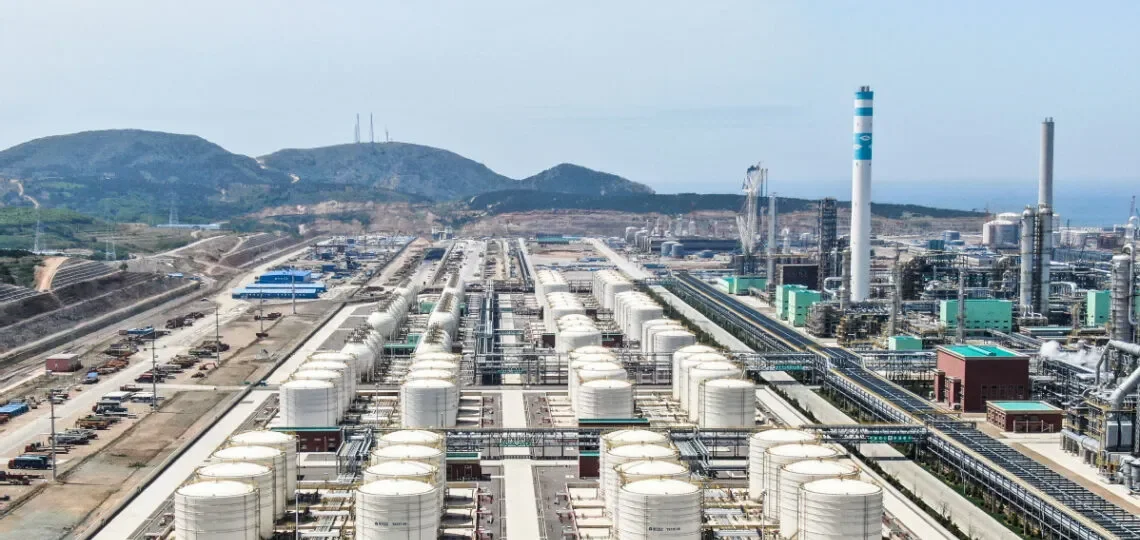
BP’s Whiting refinery is resuming operations after a forced shutdown caused by severe flooding in the border region between Indiana and Illinois. The site, which processes up to 435,000 barrels of crude oil per day, plays a central role in Midwest energy supply. Its temporary shutdown triggered notable fluctuations in regional markets for gasoline, diesel, and jet fuel.
According to meteorological records, over 150 millimeters of rain fell in less than 48 hours—more than three times the regional monthly average. This exceptional volume of water infiltrated critical systems within the refinery, forcing BP to suspend operations to protect equipment integrity.
A Strategic Infrastructure for Midwest Fuel Supply
The Whiting refinery is one of the logistical pillars of the region, supplying states such as Illinois, Indiana, Michigan, and Wisconsin. Its daily output includes approximately 10 million gallons of gasoline, 4 million gallons of diesel, and 2 million gallons of jet fuel. These volumes account for nearly 25% of refined product demand in the northern U.S.
The facility is connected to seven major pipelines, making it a key transit point for fuel distribution across the Great Lakes region. Industry analysts estimate that the temporary shutdown directly affects about 9 million drivers in neighboring states.
Step-by-Step Restart Procedure and Technical Constraints
Operations are resuming according to standard industrial procedures, beginning with inspection of electrical systems—the components most exposed to water damage. Once infrastructure safety is confirmed, units are brought back online in sequence: power supply, auxiliary services (steam, compressed air, water), control systems, then distillation units.
The full return to capacity is expected to take around ten days, based on the internal timeline. Initial days will see 20–30% capacity, increasing to 50–60%, then 100% by day nine. This phased approach aims to ensure operational stability and reduce technical risks.
Immediate Effects on Wholesale Markets and Regional Inventories
In the days following the shutdown, Chicago spot gasoline prices rose by 20 cents per gallon, reflecting immediate tension in the regional supply. Fuel inventories dropped from 49.3 to 47.8 million barrels. The price gap between Midwest retail markets and the national average reached up to 15 cents per gallon.
Other refineries increased production to partially offset supply losses but were unable to cover the full deficit. In several states, retailers reported a rise in anticipatory consumer demand, temporarily amplifying pressure on available volumes.
Logistical Constraints During the Restart Phase
The restart coincides with peak summer driving season, marked by elevated fuel demand. Some terminals were already operating with below-average inventories before the incident, leaving limited flexibility to absorb the disruption. Even with resumed production, pipeline and tanker truck transport remain limiting factors.
The seasonal transition to winter-grade fuels introduces an additional technical variable, requiring changes in blending operations. Distributors and transporters have reorganized supply routes to prioritize areas at risk of temporary shortages.
Upstream Crude Market Impacts
The Whiting shutdown also disrupted regional crude oil flows, particularly for grades such as Western Canadian Select (WCS) and Bakken. The temporary loss of the refinery as a buyer widened price differentials for these crudes by $1.50 to $2.00 per barrel compared to benchmark prices.
Adjustments included revised nominations on incoming pipelines, increased storage at hubs like Cushing (Oklahoma), and shifts in crude logistics. The normalization of price spreads will depend on the actual pace of the refinery’s recovery.
Regulatory Compliance and Emergency Activation
The restart is taking place under oversight from multiple regulatory bodies. The Environmental Protection Agency (EPA) monitors air emissions related to the restart, especially during flaring. The Occupational Safety and Health Administration (OSHA) oversees site worker safety.
Pre-established emergency response plans were activated at the first signs of flooding. These include communication with local authorities, enhanced environmental monitoring, and coordination of industrial safety protocols. This regulatory framework ensures a compliant and controlled return to operations.