BP sells non-controlling stakes in its Permian and Eagle Ford midstream infrastructure to Sixth Street for $1.5 billion while retaining operational control.
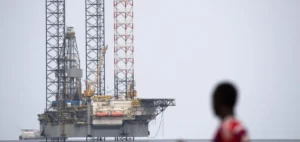
Angola enters exclusive negotiations with Shell for the development of offshore blocks 19, 34, and 35, a strategic initiative aimed at stabilizing its oil production around one million barrels per day.
Faced with declining production, Chad is betting on an ambitious strategy to double its oil output by 2030, relying on public investments in infrastructure and sector governance.
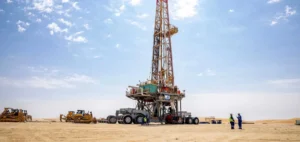
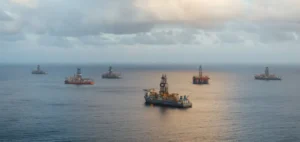
The SANAD drilling joint venture will resume operations with two suspended rigs, expected to restart in March and June 2026, with contract extensions equal to the suspension period.
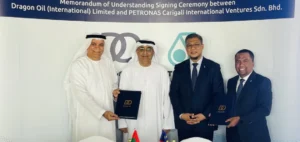
Dragon Oil, a subsidiary of Emirates National Oil Company, partners with PETRONAS to enhance technical and commercial cooperation in oil and gas exploration and production.
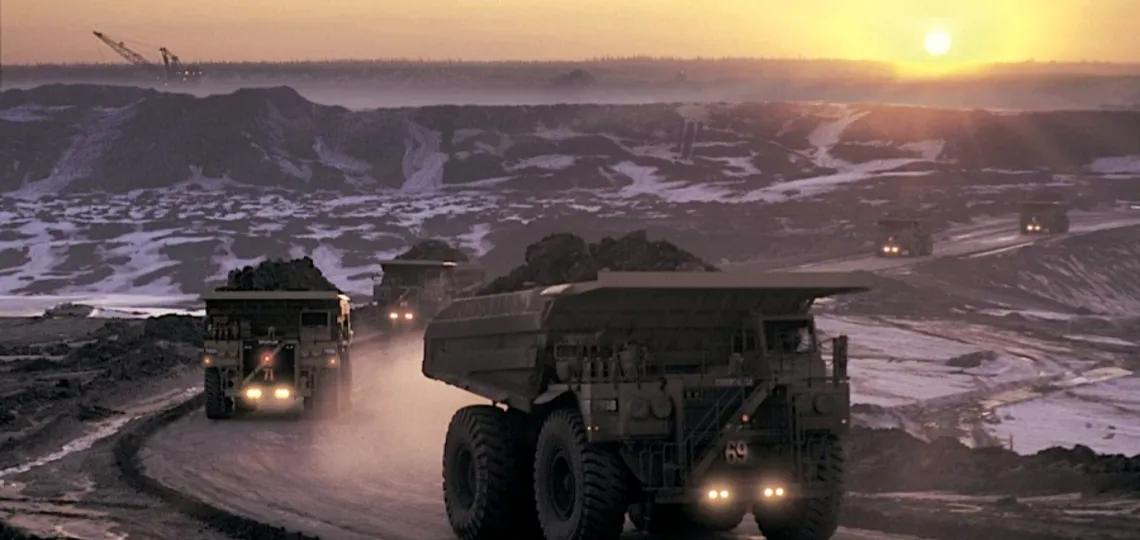
Canadian Natural Resources has finalized a strategic asset swap with Shell, gaining 100% ownership of the Albian mines and enhancing its capabilities in oil sands without any cash payment.
Canadian producer Imperial posted net income of CAD539mn in the third quarter, down year-on-year, impacted by exceptional charges despite record production and higher cash flows.
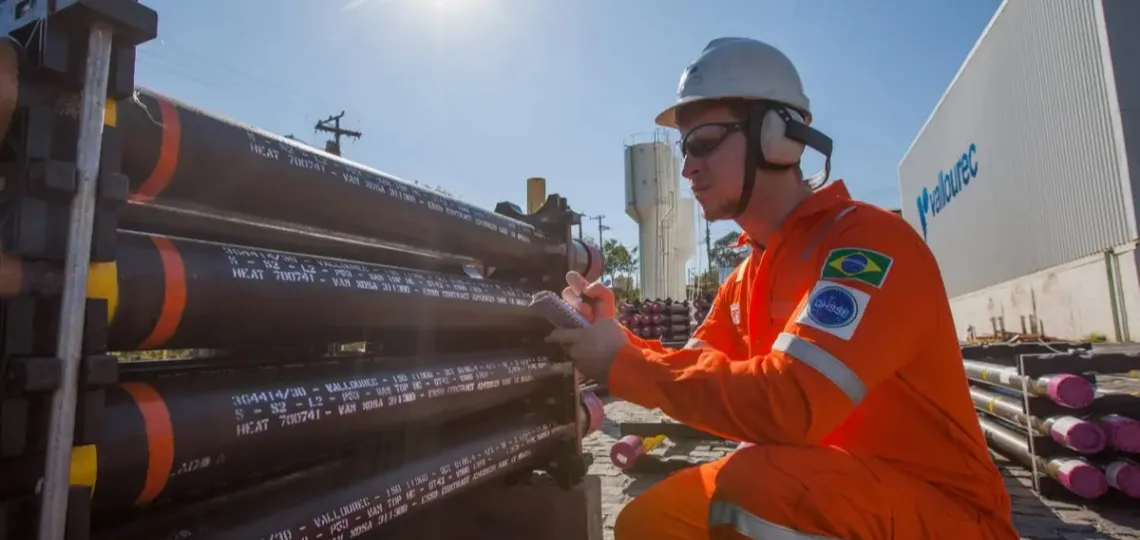
The French group will supply carbon steel pipelines to TechnipFMC for the offshore Orca project, strengthening its strategic position in the Brazilian market.
The American oil major saw its revenue decline in the third quarter, affected by lower crude prices and refining margins, despite record volumes in Guyana and the Permian Basin.
Gabon strengthens its oil ambitions by partnering with BP and ExxonMobil to relaunch deep offshore exploration, as nearly 70% of its subsea domain remains unexplored.
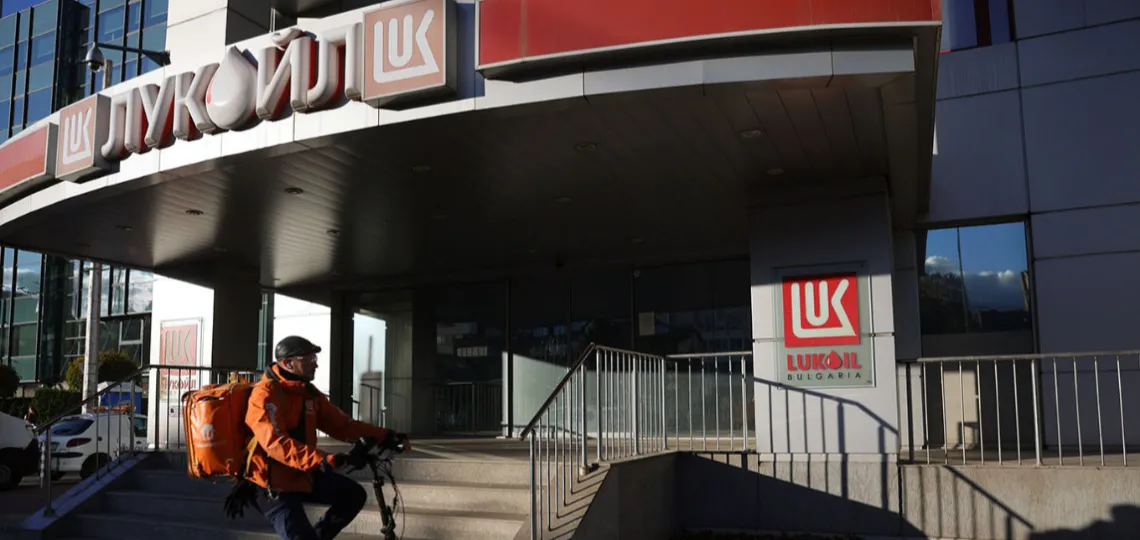
Sofia temporarily restricts diesel and jet fuel exports to safeguard domestic supply following US sanctions targeting Lukoil, the country’s leading oil operator.
Swiss trader Gunvor will acquire Lukoil’s African stakes as the Russian company retreats in response to new US sanctions targeting its overseas operations.
An agreement between Transpetro, Petrobras and the government of Amapá provides for the construction of an industrial complex dedicated to oil and gas, consolidating the state's strategic position on the Equatorial Margin.
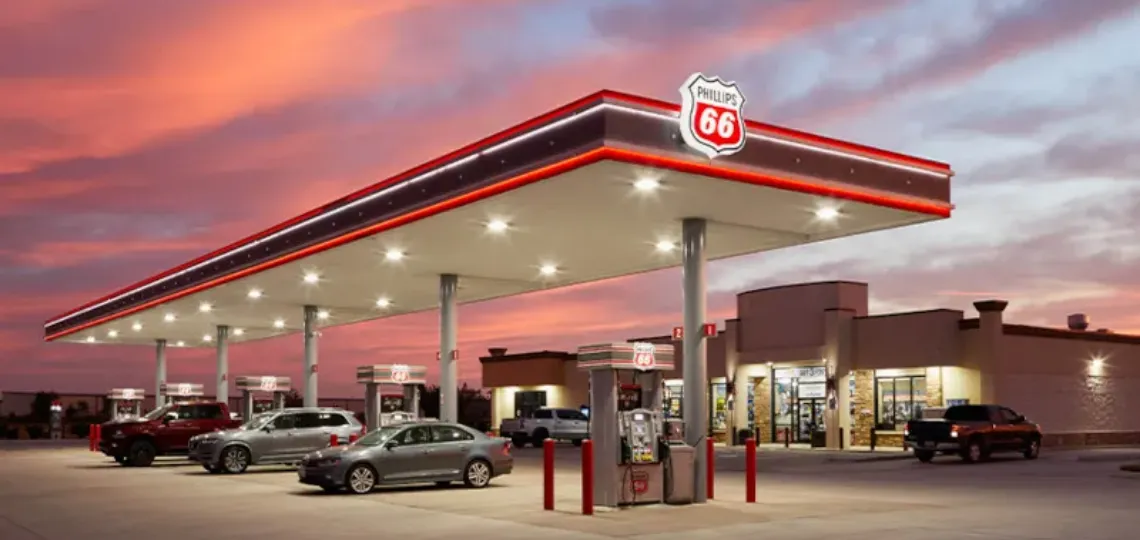
The US company reported adjusted earnings of $1.02bn between July and September, supported by the refining and chemicals segments despite a drop in net income due to exceptional charges.
The Spanish oil group reported a net profit of €1.18bn over the first nine months of 2025, hit by unstable markets, falling oil prices and a merger that increased its debt.
Third-quarter results show strong resilience from European majors, supported by improved margins, increased production and extended share buyback programmes.
Driven by industrial demand and production innovations, the global petrochemicals market is projected to grow by 5.5% annually until 2034, reaching a valuation of $794 billion.
CNOOC Limited announced continued growth in oil and gas production, reaching 578.3 million barrels of oil equivalent, while maintaining cost control despite a 14.6% drop in Brent prices.