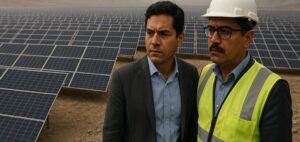
Zelestra and Celepsa have signed a long-term power purchase agreement in Peru, enabling the development of a 238 MWdc solar plant to supply 450 GWh annually to Celepsa’s operations.
The ban proposed by the Nigerian government aims to support the domestic industry, but raises concerns among stakeholders over its economic and energy-related consequences.
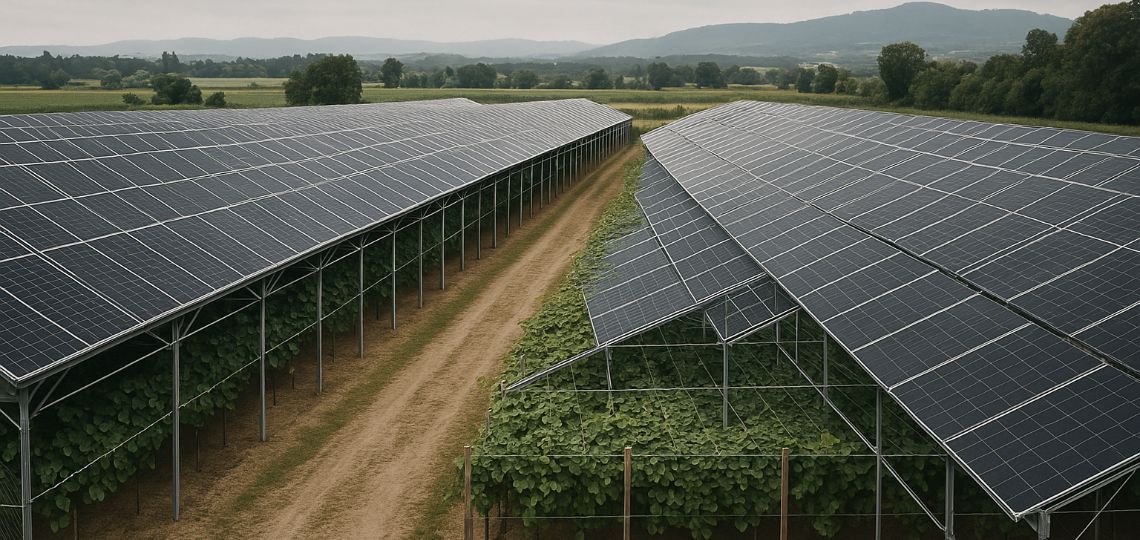
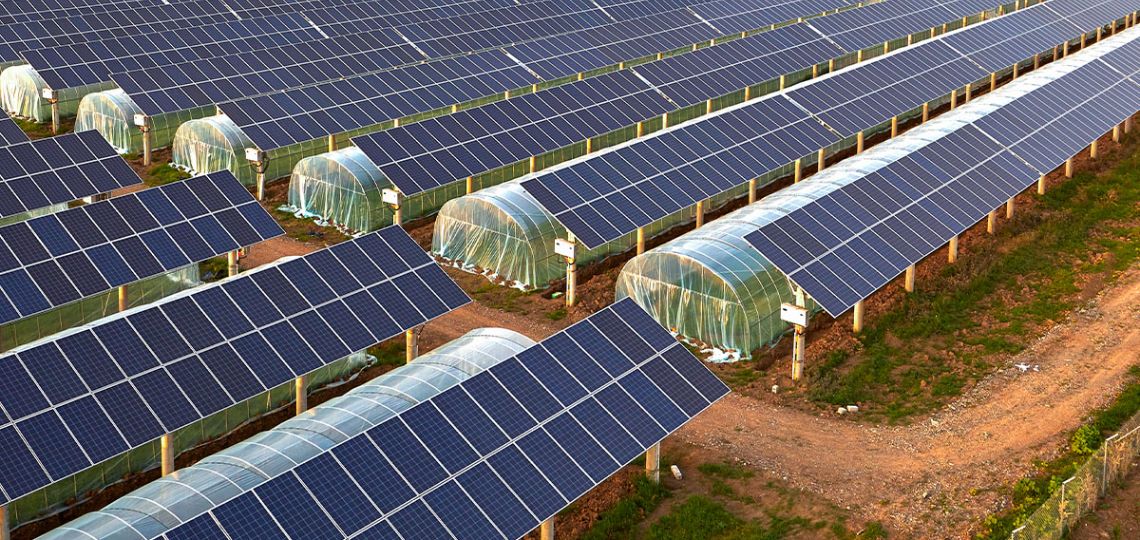
Groupe Volta and Richel Group have inaugurated a 5 MW agrivoltaic complex in Loriol-sur-Drôme, combining photovoltaic generation with fruit farming across 5 hectares.
MUFG and Nomura have provided $388M in financing to Greenalia for the construction of the Misae II solar park, marking the Spanish firm’s entry into the US market.
Canadian producer Innergex has received approval from the Energy Regulation Commission for two agrivoltaic solar projects in France, marking its entry into the national photovoltaic market.
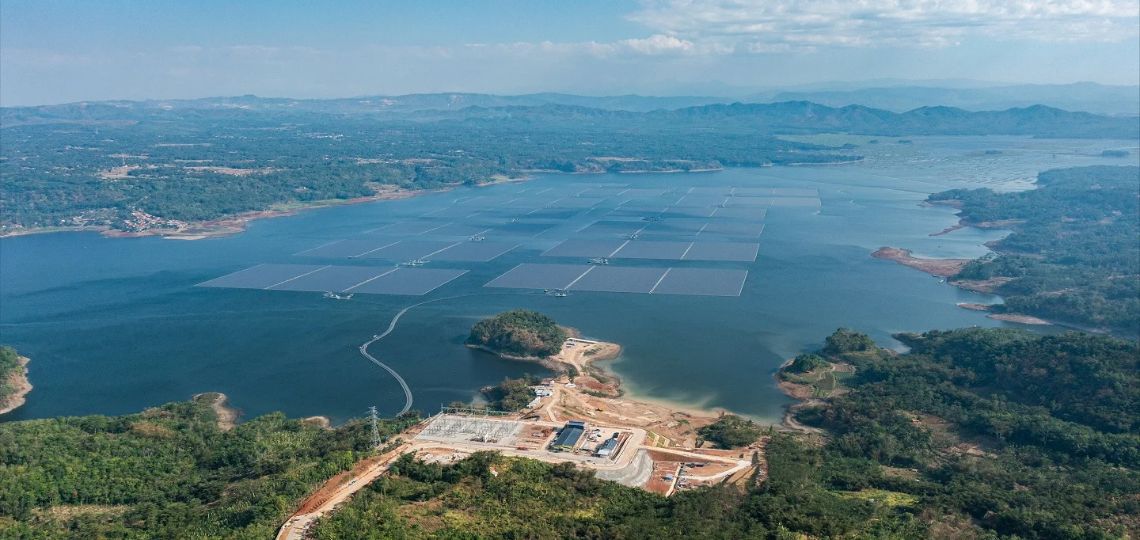
PowerChina has completed the Cirata floating photovoltaic power plant, a pioneering project in Indonesia that now supplies a quarter of the country's renewable energy production.
Photovoltaic manufacturer ZNShine Solar delivered 54.6 MW of bifacial modules for a 67 MW solar project in Texas, financially closed at the end of 2023 through non-recourse financing led by EastWest Bank.
Waaree Energies has launched its 5.4 GW solar cell plant in Chikhli, Gujarat, marking a key milestone for India’s photovoltaic industry and its local manufacturing ambitions.
Enlight has secured $773 mn in financing for the Country Acres project, combining solar generation and storage near Sacramento, scheduled to be operational in the second half of 2026.
GreenYellow South Africa begins installation of 7,500 solar panels across 10 AJP Group shopping centres, targeting 7.5 GWh in annual output and a 120% reduction in energy costs over twenty years.
Chinese manufacturer LONGi secured a 555 MW supply deal for its Hi-MO X10 solar modules during a professional exhibition in Johannesburg, expanding its presence in the African photovoltaic market.
Q ENERGY has launched construction works for an 8.5 MWc photovoltaic park in Cahuzac-sur-Adour, on a former industrial site, with commissioning scheduled for late 2025.
New Delhi has confirmed the construction of a solar power plant in Sampur, reviving a long-delayed project following the withdrawal of a major wind farm backed by the Adani Group.
Masdar, through its subsidiary Saeta, has acquired Valle Solar, one of the largest photovoltaic projects in the Valencia region, reinforcing its European growth strategy with a potential storage capacity of 259 MW.
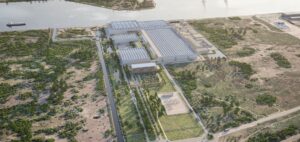
CARBON partners with Enerfip to raise at least €1 mn in citizen funding for its planned photovoltaic gigafactory in Fos-sur-Mer, an industrial project backed by the solar sector.
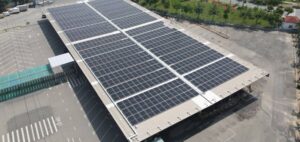
GreenYellow is installing self-consumption photovoltaic carports at three Sanofi sites under 15-year power purchase agreements, totalling 4.5 MWc of installed capacity.
The Renewable Energy Syndicate opposes the bill adopted by the Economic Affairs Committee, arguing that its provisions would end the development of agrivoltaics in France.
A decree published in the Official Journal revises support for photovoltaic systems under 500 kWc by lowering certain tariffs and introducing a bank guarantee to regulate project eligibility.
TOYO Co., Ltd plans to add 2 gigawatts to its solar production capacity in Ethiopia by August 2025, responding to strong international demand with an estimated $47mn investment.