

Energy Issues

Transport & Storage
Confindustria warns of Italian recession if the Middle East war continues
Carbon
- Gevo Plans to Double Ethanol Production Capacity in North Dakota

- TotalEnergies Cuts Global Carbon Emissions by 2 to 3% in 2025
- Von der Leyen Announces EUR200 Million Guarantee for European Small Modular Reactors
- France Allocates €3.4 Billion to Industrial Decarbonization Through France 2030
- Uni-Fuels launches European carbon allowance offering for global shipowners

Alternative Fuels
- Gevo Plans to Double Ethanol Production Capacity in North Dakota
- Netherlands Designates Sif and Power2X as NZIA Strategic Projects

- VERSO ENERGY and European Commission Sign Innovation Fund Agreement for DEZiR e-SAF Project
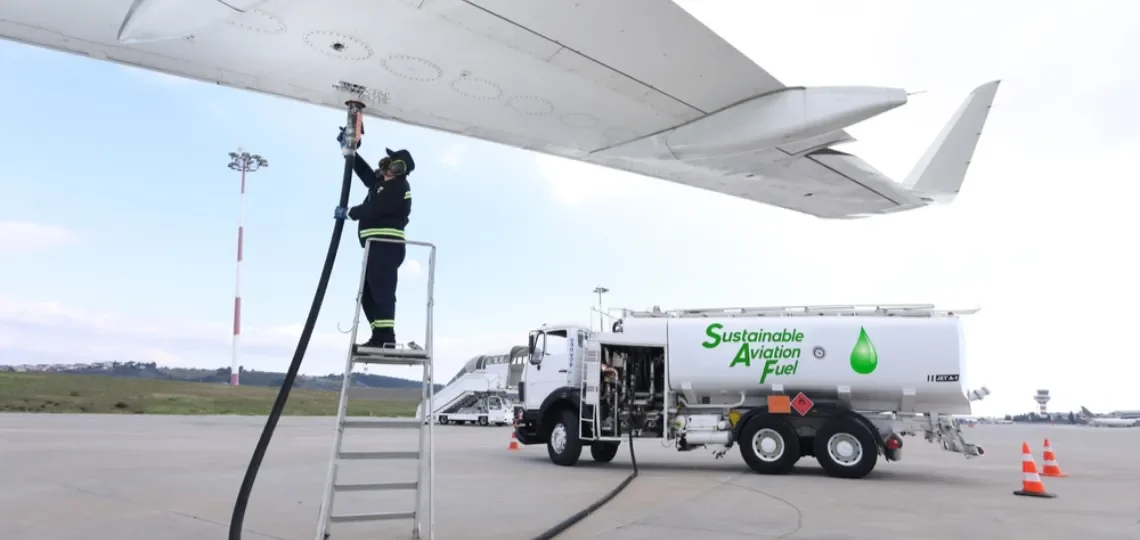
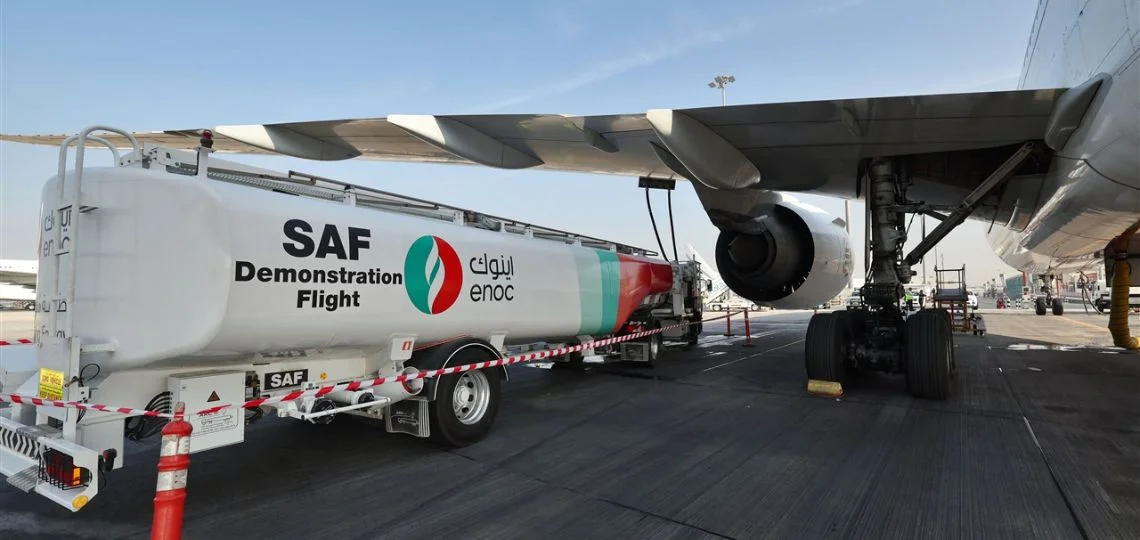
- Rolls-Royce SMR and Equilibrion partner to produce sustainable aviation fuel

- European Airlines Call on EU to Delay 2030 eSAF Mandate
Coal
- Japan and South Korea: Middle East conflict accelerates nuclear expansion

- India targets 60% non-fossil electricity and 47% lower emission intensity by 2035
- Philippines to Boost Coal Output to Contain Rising Electricity Prices
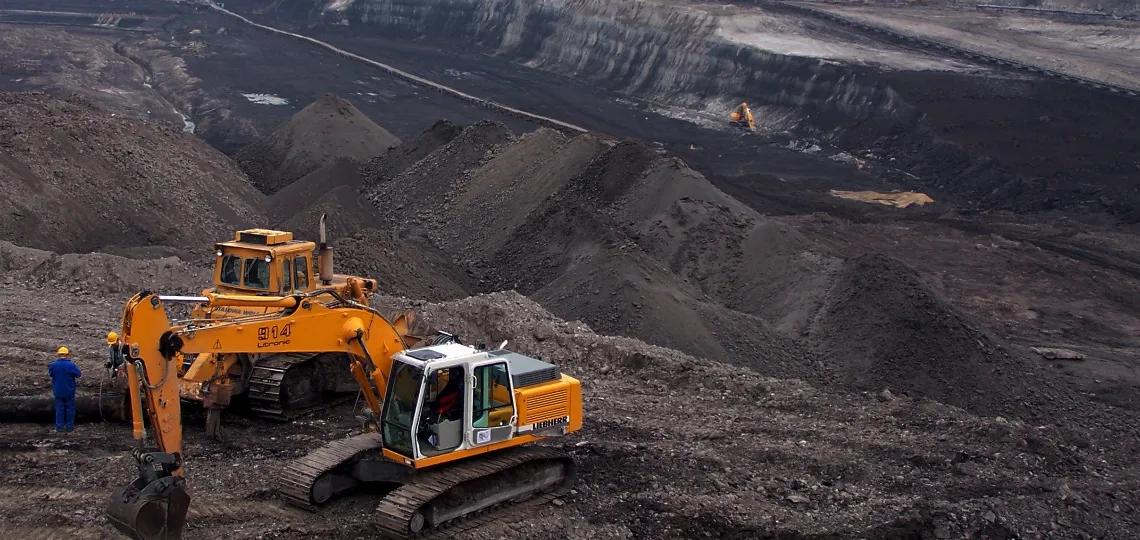
- CJEU Confirms €68.5M in Penalties Against Poland for Turów Mine
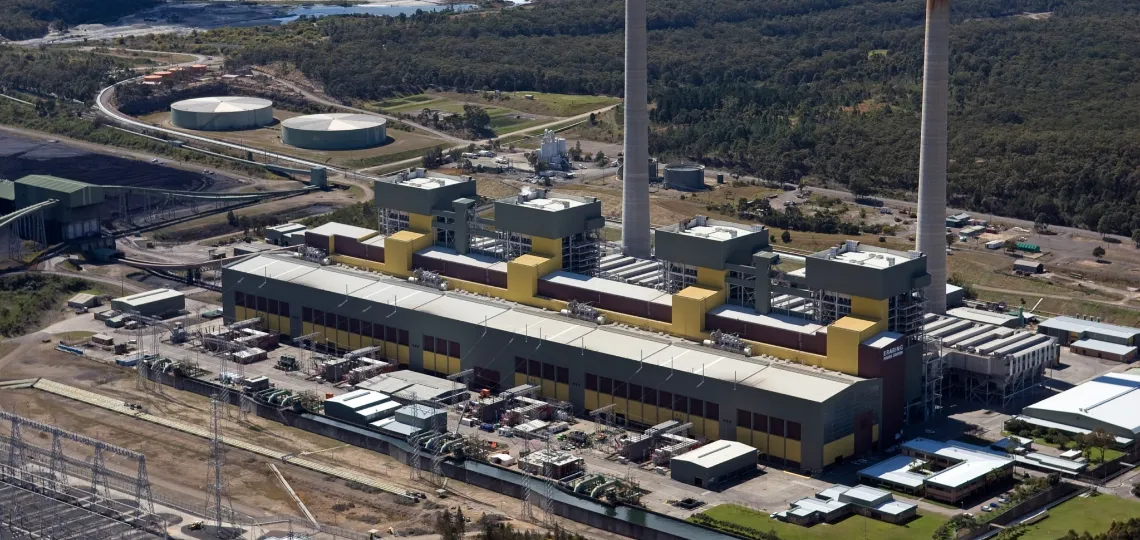
- Australia: Origin Energy Extends Eraring Coal Plant Operations Until 2029
Biomass Energy
- CETY and Hoppy Power Target 2 MW Waste-to-Energy Deployment in Alberta

- Clean Energy Technologies Pursues Bioenergy Opportunities at California BAC Annual Meeting
- Northwest Advanced Bio-Fuels Plans $2.4B SAF Biorefinery in Washington State

- Global Biomethane Market Could Reach $56.64 Billion by 2030 According to MarketsandMarkets
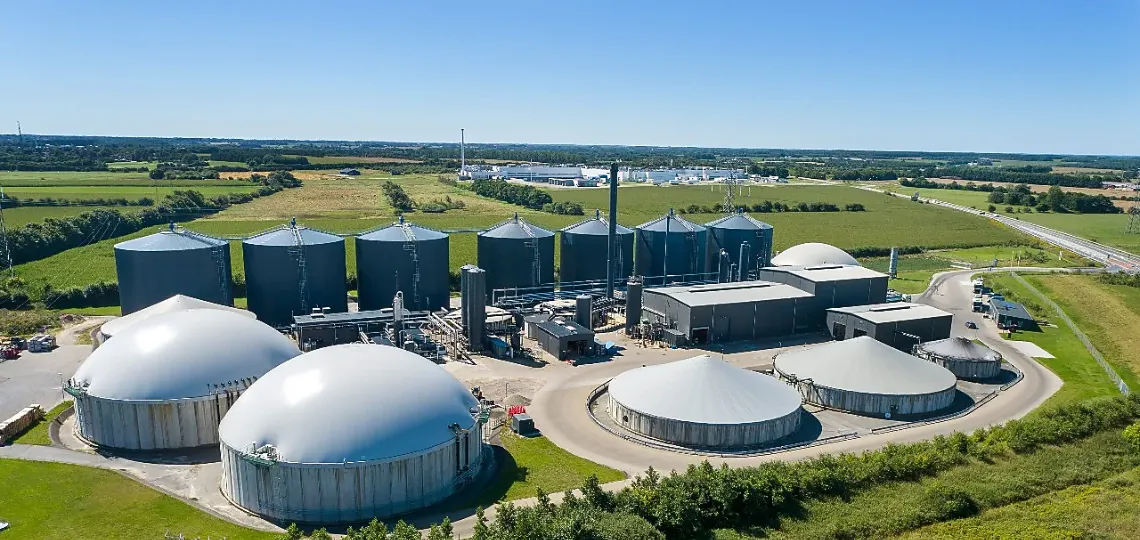
- ENGIE Signs 10-Year Contract with PepsiCo for 60 GWh of Biomethane in the United Kingdom

Wind Energy
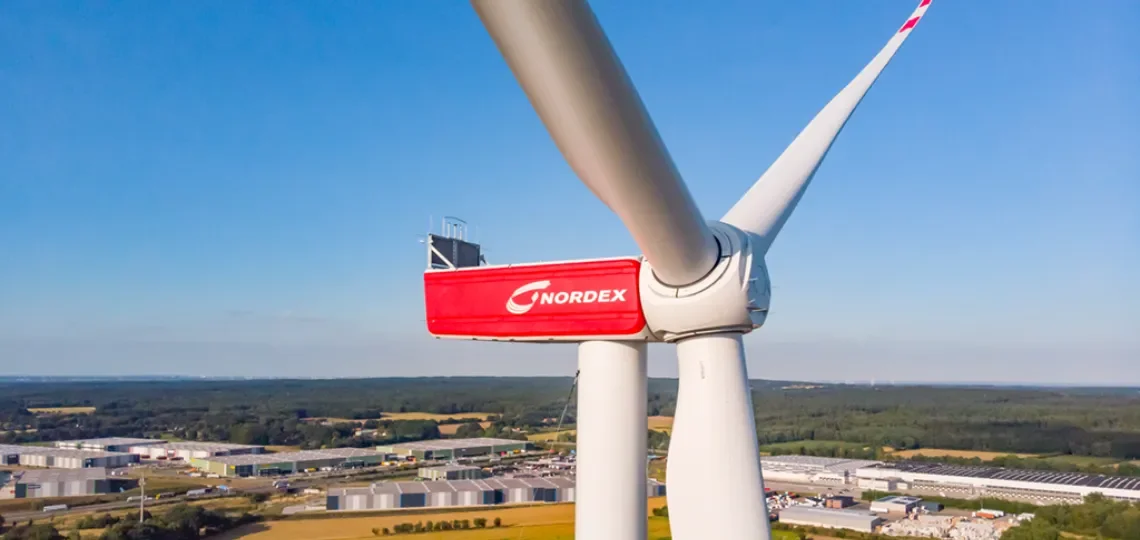
- Nordex wins order for six N163 turbines at Peckelsheim community wind farm
- Germany's Grid Package Puts 32 GW of Renewables and €45 Billion at Risk
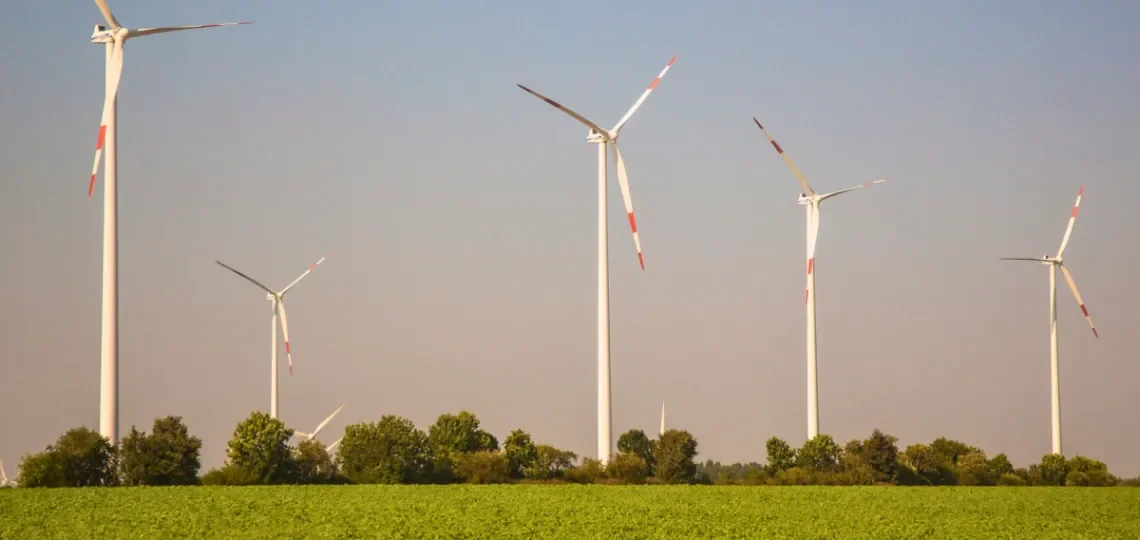
- Etem Gestamp and Rezolv Energy Sign Bulgaria's First Cross-Border Wind VPPA
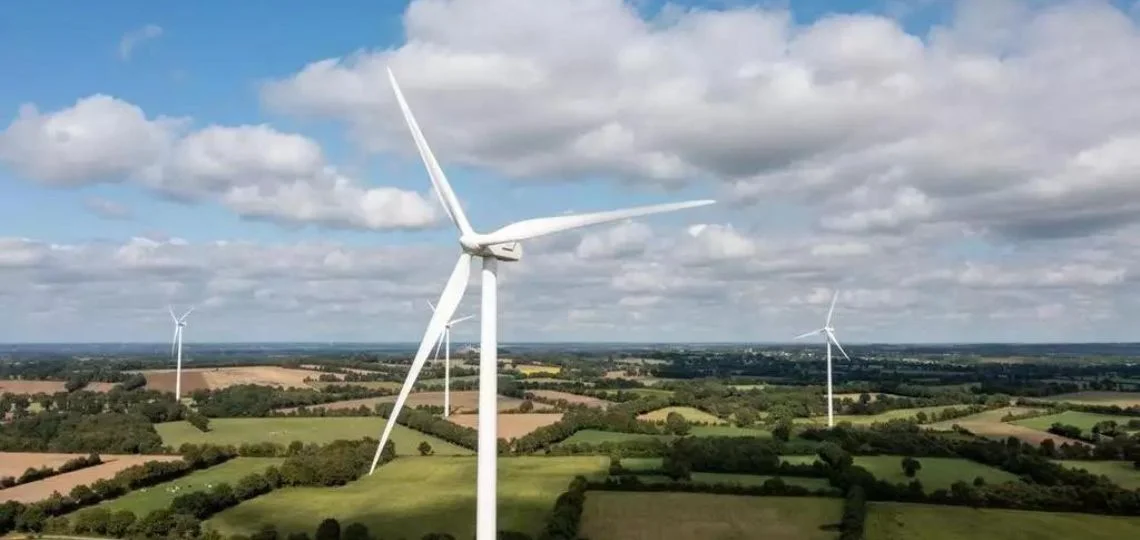
- Germany Launches 2.5 GW Onshore Wind Tender for May 2026
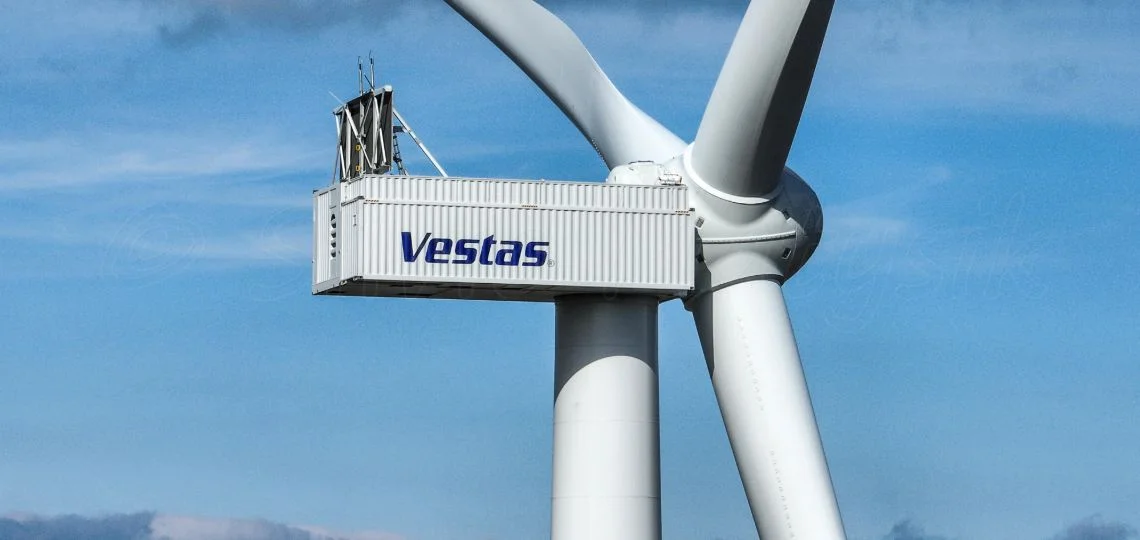
- Vestas announces offshore nacelle factory in Scotland worth over 250 million euros
Fusion Energy
- General Fusion Targets Nasdaq via SPAC Deal Valuing Company at $1 Billion
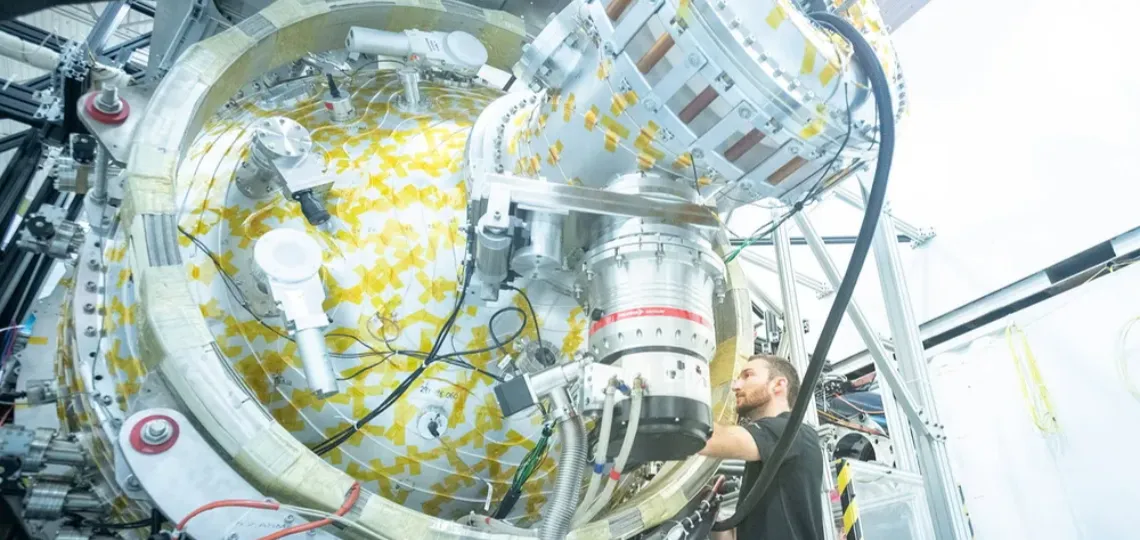
- Thea Energy Obtains DOE Certification for Its $46M Fusion Power Plant Design

- Commonwealth Fusion Systems Appoints Stephane Bancel, Moderna CEO, to Its Board of Directors

- Chinese Tokamak EAST Breaks Through Plasma Density Limit and Opens New Perspectives
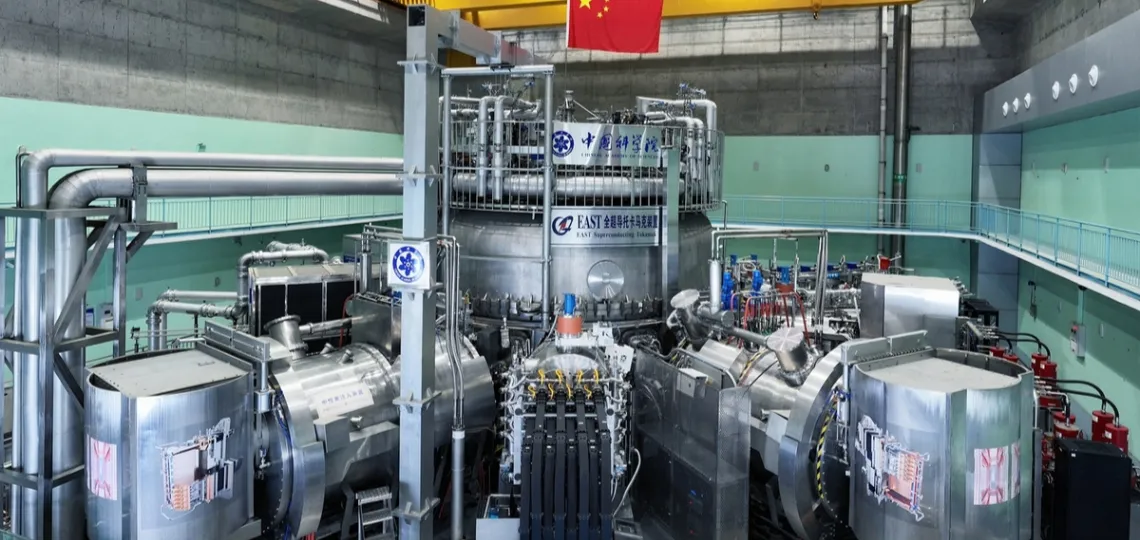
- Trump Media creates a listed group with TAE Technologies in $6 billion deal

Geothermal Energy
- AfDB Grants $16.5M to Kenya for a 35 MW Geothermal Power Plant
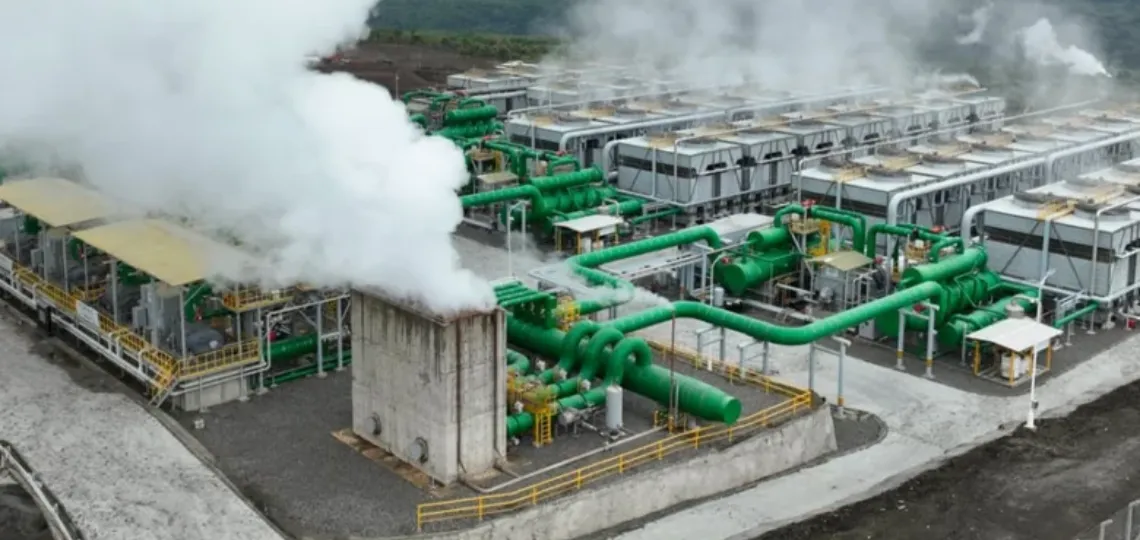
- Ormat Technologies Invests $25M in Sage Geosystems to Develop Advanced Geothermal Technology
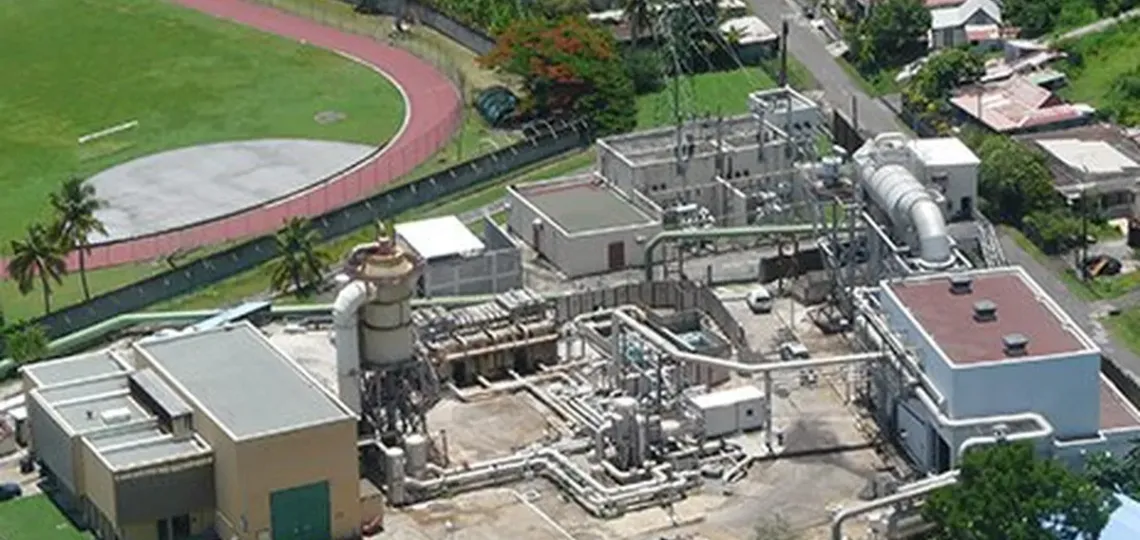
- Zanskar Raises $115M to Accelerate AI-Powered Geothermal Exploration in the United States
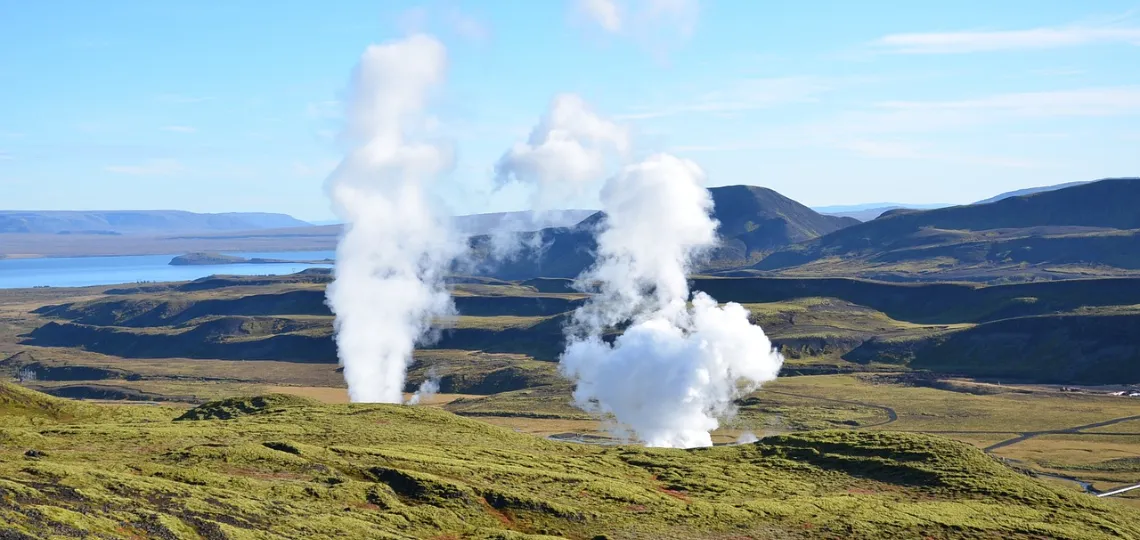
- Ormat Technologies Wins 40 MW Geothermal Concession in Indonesia
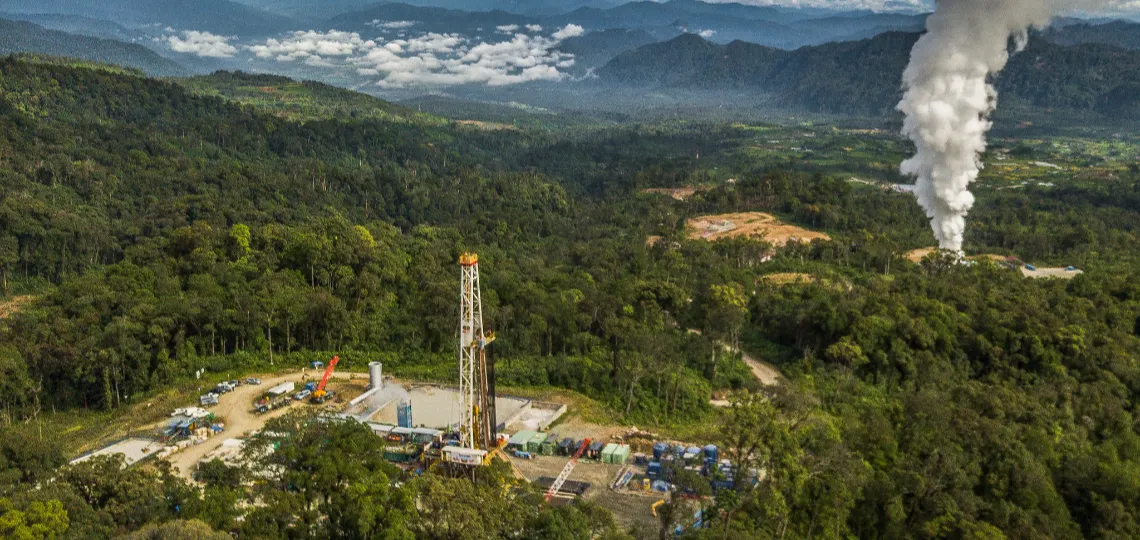
- French Court of Auditors recommends removing structural barriers to geothermal energy in France

Hydrogen Energy
- EU Commission Approves €6 Billion Italian State Aid Scheme for Renewable Hydrogen

- Topsoe Terminates Supply Agreements with First Ammonia Over Missed Milestones
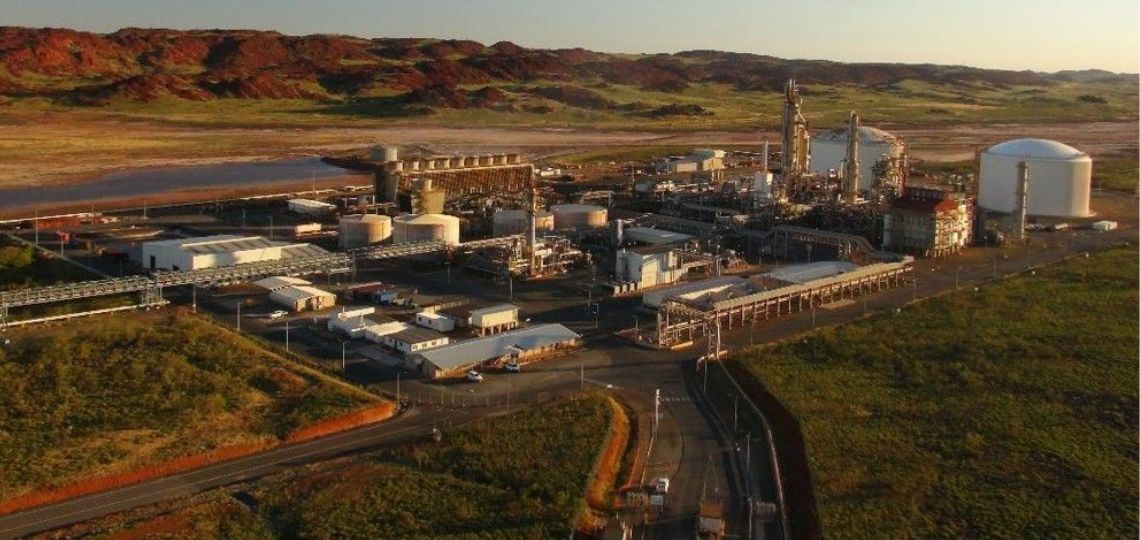
- Uniper Secures Planning Permission for Its 120 MWe Electrolyser in Killingholme
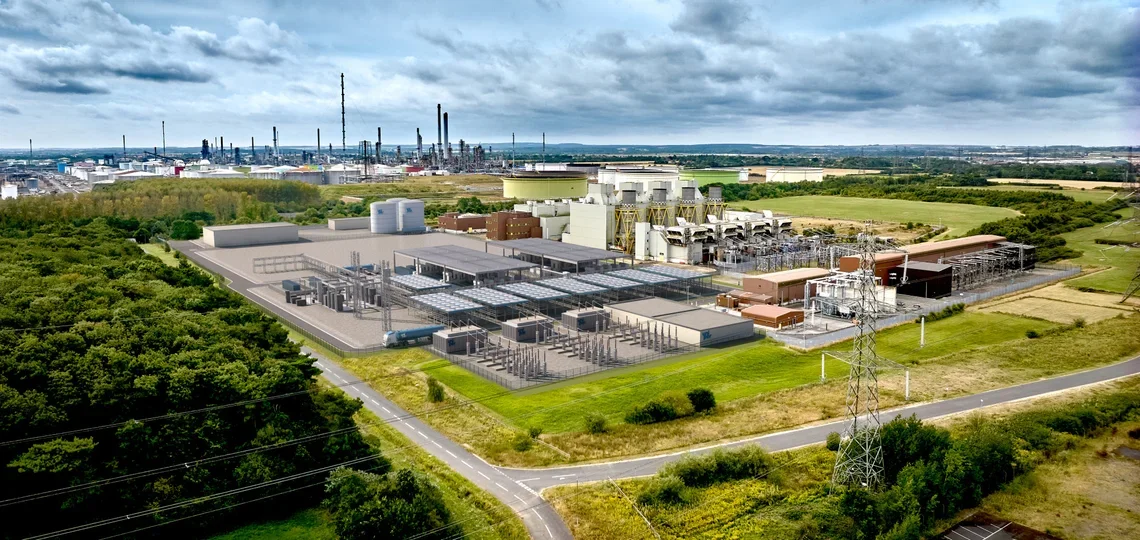
- India targets 5 million tonnes of green hydrogen per year by 2030

- Drilling at 3,655 Meters Confirms Significant Natural Hydrogen Reserves in Moselle

Marine & Hydraulic Energy
- Alternergy commissions 5-MW run-of-river hydropower plant in Nueva Ecija, Philippines
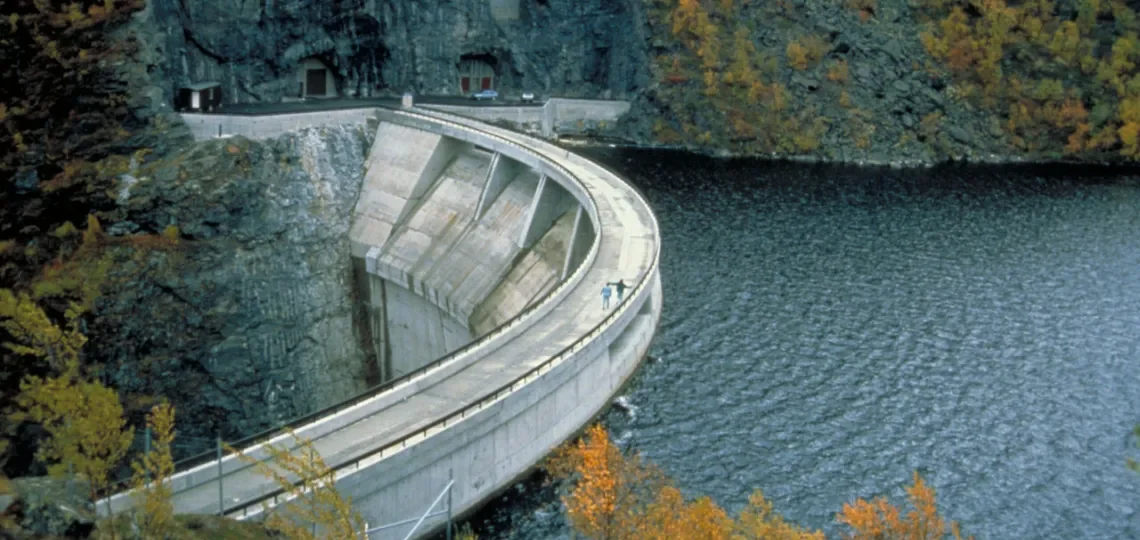
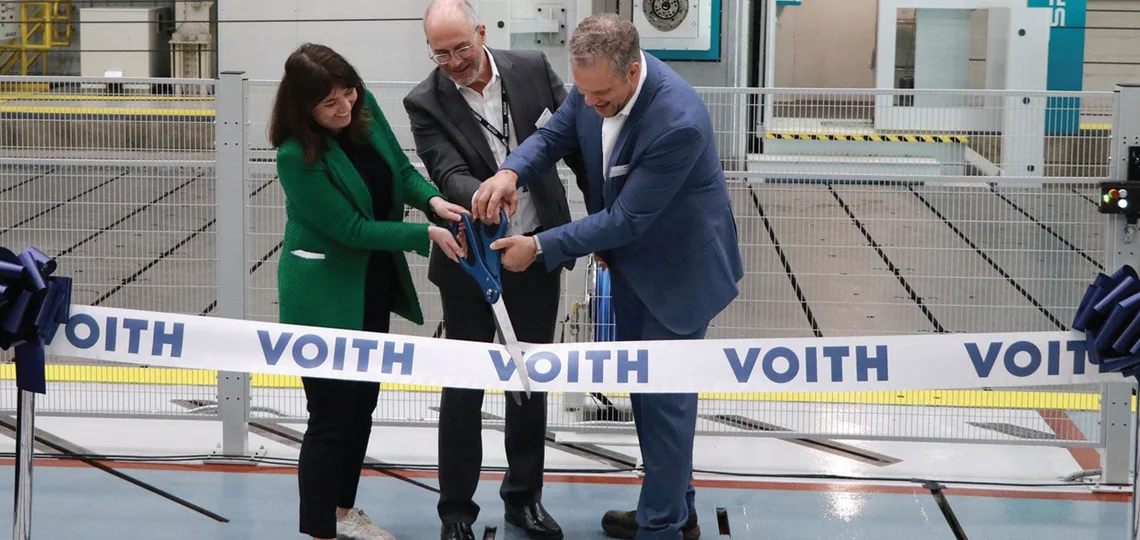
- Voith Hydro Modernizes U.S. Plant and Delivers 2172 MW to Angola
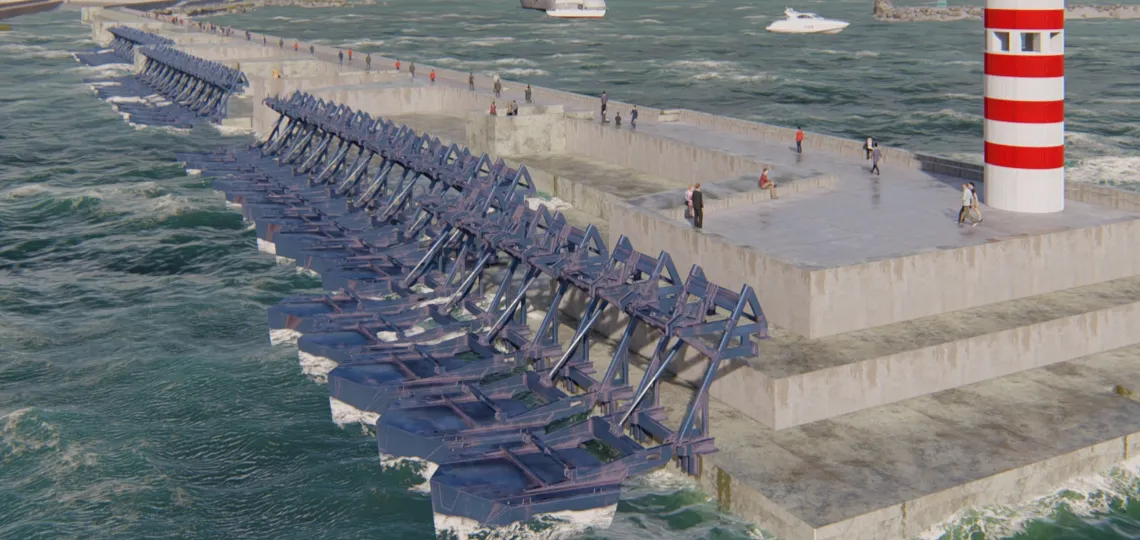
- Eco Wave Power Submits Execution Plan for 1 MW Wave Energy Plant in Porto
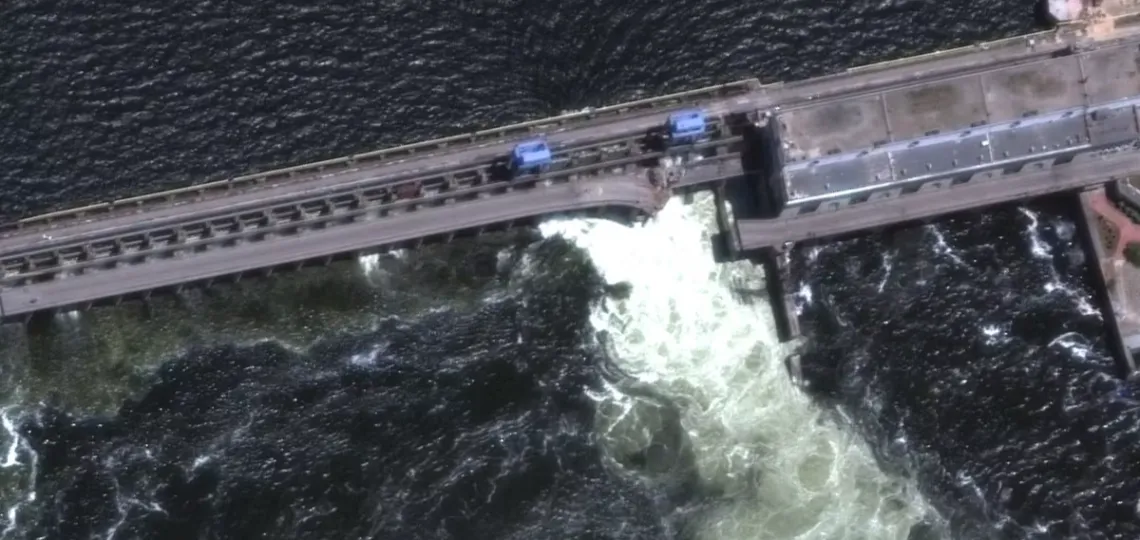
- EBRD and EU Grant €75M to Ukrhydroenergo to Strengthen Ukrainian Hydropower
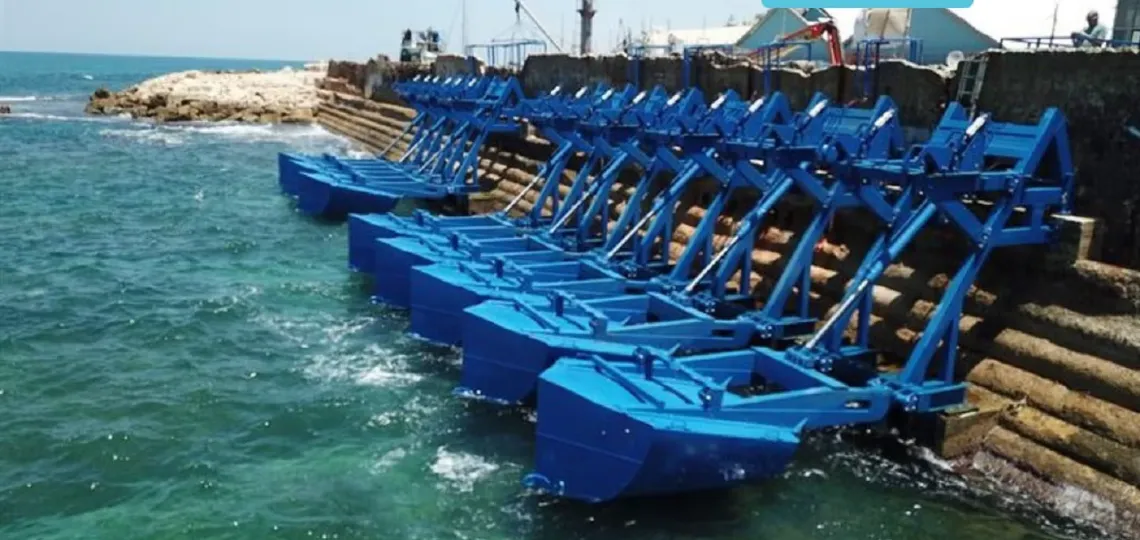
- Eco Wave Power Produces Over 2,000 kWh of Wave Energy at Jaffa Port in December
Nuclear Energy
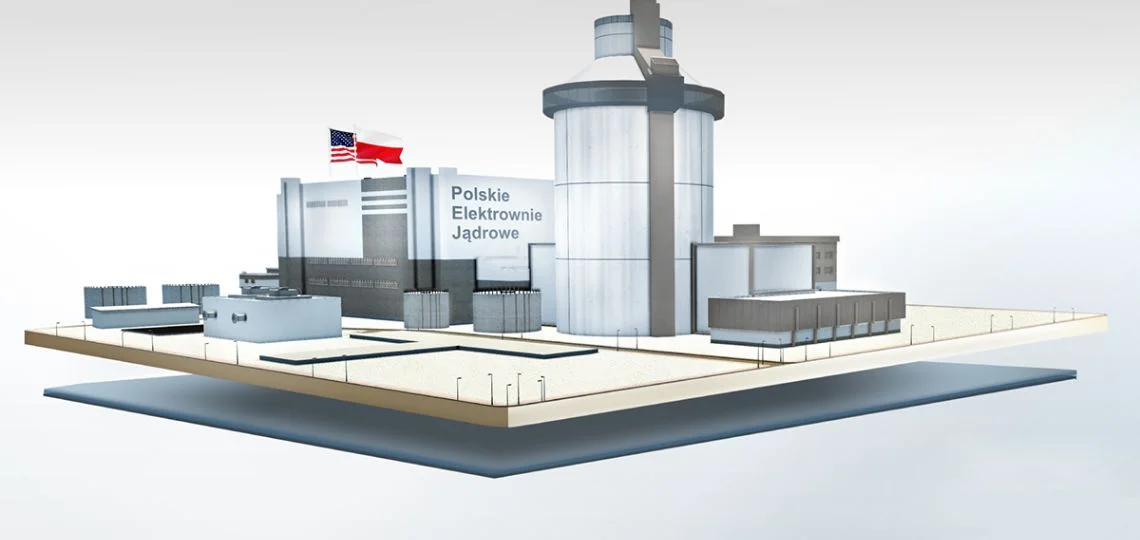
- Poland files its first construction permit application for a nuclear power plant
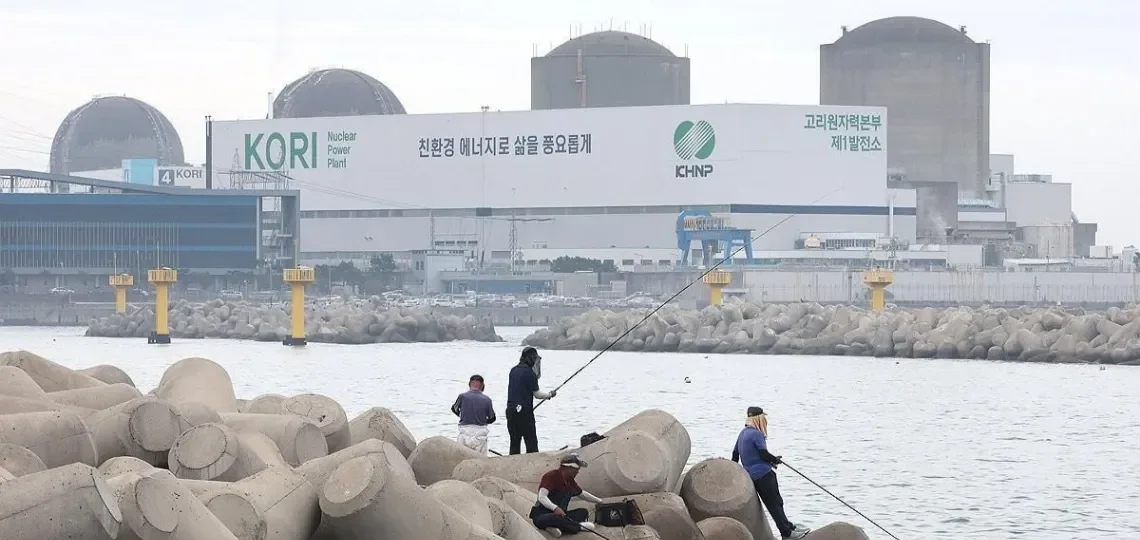
- South Korea Clears Restart of 685 MWe Kori 2 Nuclear Reactor
- Holtec SMR-300 clears step 2 of UK generic design assessment

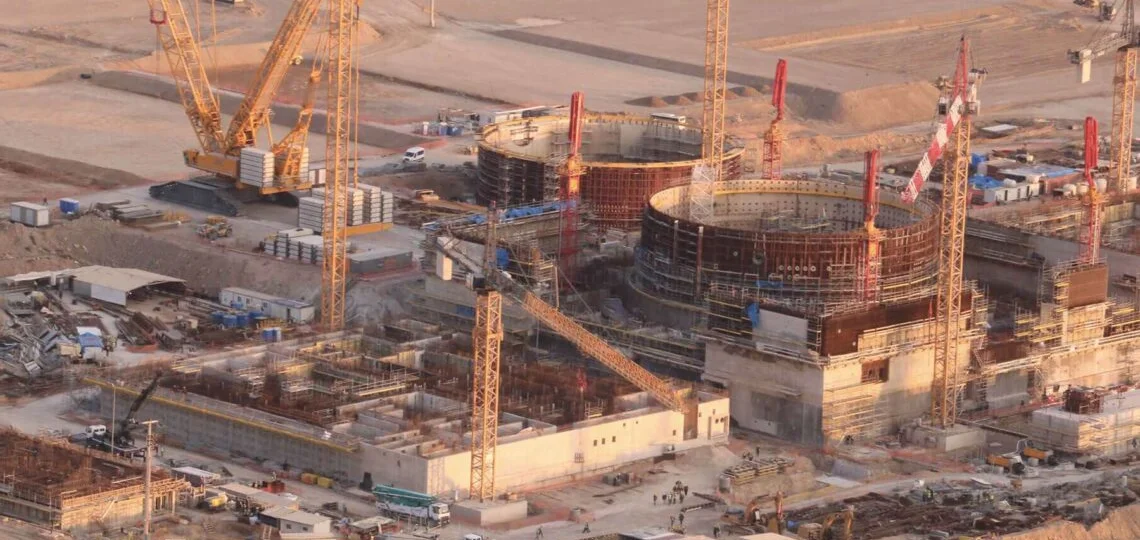
- Akkuyu: Rosatom installs 282-tonne polar crane bridge on unit 2
- New Hampshire Issues Executive Order to Assess Advanced Nuclear Reactor Deployment
Solar Energy
- Germany's Grid Package Puts 32 GW of Renewables and €45 Billion at Risk
- India targets 500 GW of non-fossil electricity capacity by 2030
- Turbo Energy Anticipates 140% Growth and $23.5 Million in Revenue for 2025
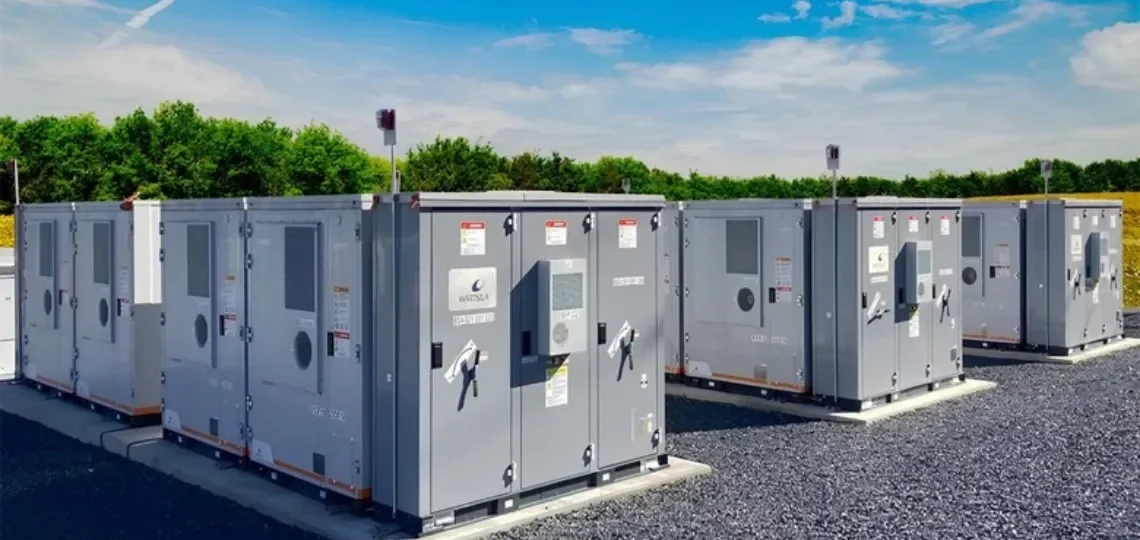
- LCCC Signs Over 200 CfDs for 14.7 GW of UK Renewables in AR7
- LGE India Signs 20.80 MWp Solar PPAs to Decarbonize Its Manufacturing Plants
Energy Issues
- Lecornu Accelerates Electrification Push and Plans to Redirect Fuel Tax Surpluses

- IEA Launches Energy Policy Tracker to Monitor Government Responses Amid Middle East Unrest

- IEA warns of supply chain concentration in clean energy technologies
- Confindustria warns of Italian recession if the Middle East war continues
- India targets 60% non-fossil electricity and 47% lower emission intensity by 2035
Gas
- Japan and South Korea: Middle East conflict accelerates nuclear expansion
- JKM Doubles as Middle East Tensions Tighten Japan's LNG Supply

- Middle East conflict inflicts $25 billion in damage on energy infrastructure
- Keyera Delays Plains Canadian NGL Acquisition Closing to May 2026

- Algeria and Spain Strengthen Their Gas Alliance Around the MedGaz Pipeline
Critical Metals
- Iranian attacks on Gulf smelters expose a strategic gap in US aluminum supply
- ASX 200 Rebounds 0.2% Led by Mining and Financial Sectors

- BHP and Lynas Lift Australian Stock Market on Metal Strength

- Australian Markets Rally on Gold, Metals Amid Iran Crisis

- Rio Tinto Targets Glencore in $207 Billion Deal, Raising Pressure on BHP
Mobility
- Lecornu Accelerates Electrification Push and Plans to Redirect Fuel Tax Surpluses
- France Renewables and Avere-France Call for Territory-Rooted Electrification Strategy
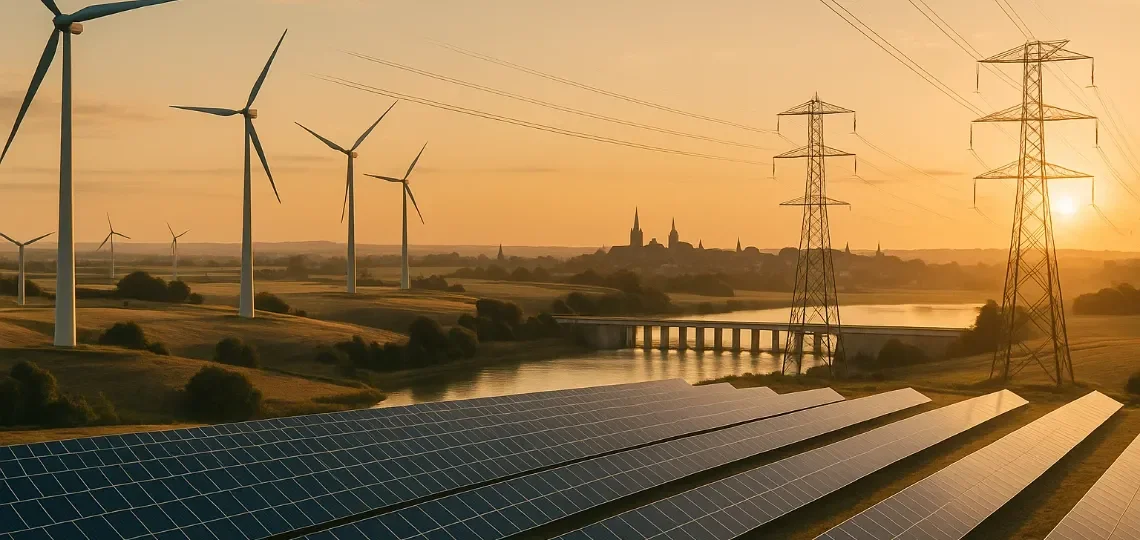
- VinFast Doubles 2025 Deliveries as Net Loss Deepens to $3.87 Billion

- Global Energy Transition Investment Reaches $2.3 Trillion in 2025
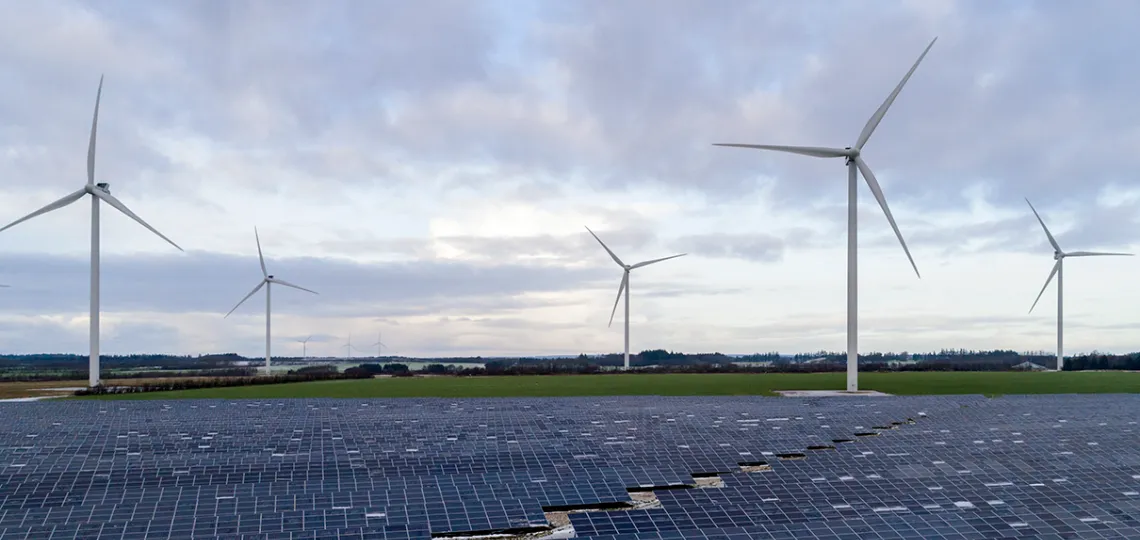
- Aptera Motors Raises $9M Through Public Offering of Shares and Warrants on Nasdaq

Oil
- Bolivia: 150 Million Liters of Fuel Adulterated by a Cross-Border Criminal Network

- Mexico Seeks Private Intermediaries to Supply Cuba with Pemex Fuel

- TotalEnergies Creates NEO NEXT+, UK's Largest Independent Oil and Gas Producer
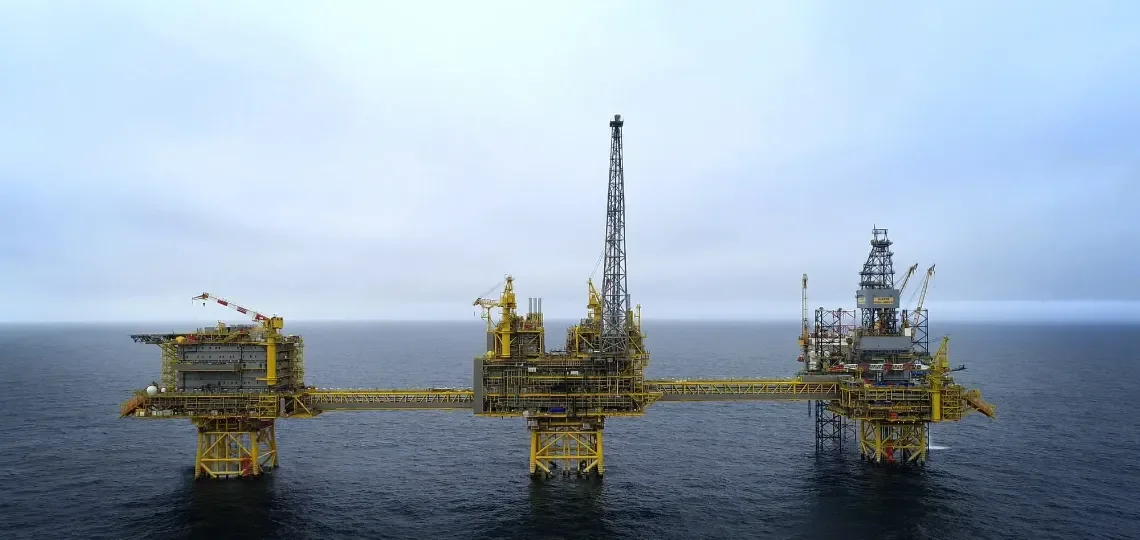
- Trump Threatens to Annihilate Iranian Energy Infrastructure Unless Deal Reached Quickly

- Middle East conflict inflicts $25 billion in damage on energy infrastructure
Heat Networks
- Dalkia wins €15bn contract to manage Paris heating network until 2050
- NGE and AREC launch an energy network to shape Magna Porta

- Germany delays RED III directive, retroactive enforcement now likely

- Dalkia commissions low-carbon heating network in Poitiers for €22mn ($23.8mn)

- Antin plans to sell Idex, valued up to €4 bn, by 2026

Power Grids
- ENGIE Secures Two 30-Year Electricity Transmission Concessions in Brazil

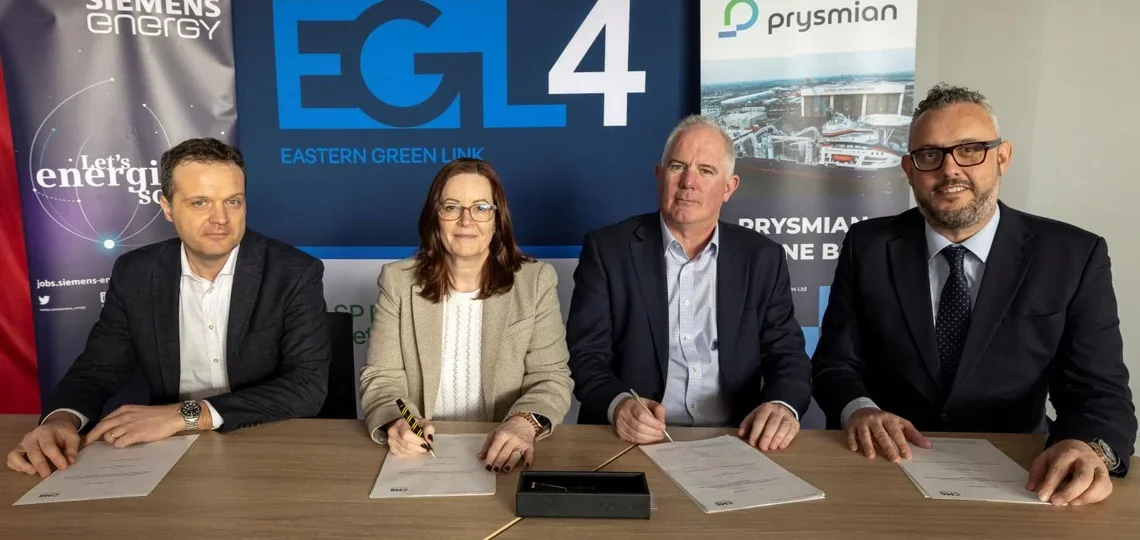
- EGL4 Awards £3 Billion in Contracts to Siemens Energy and Prysmian
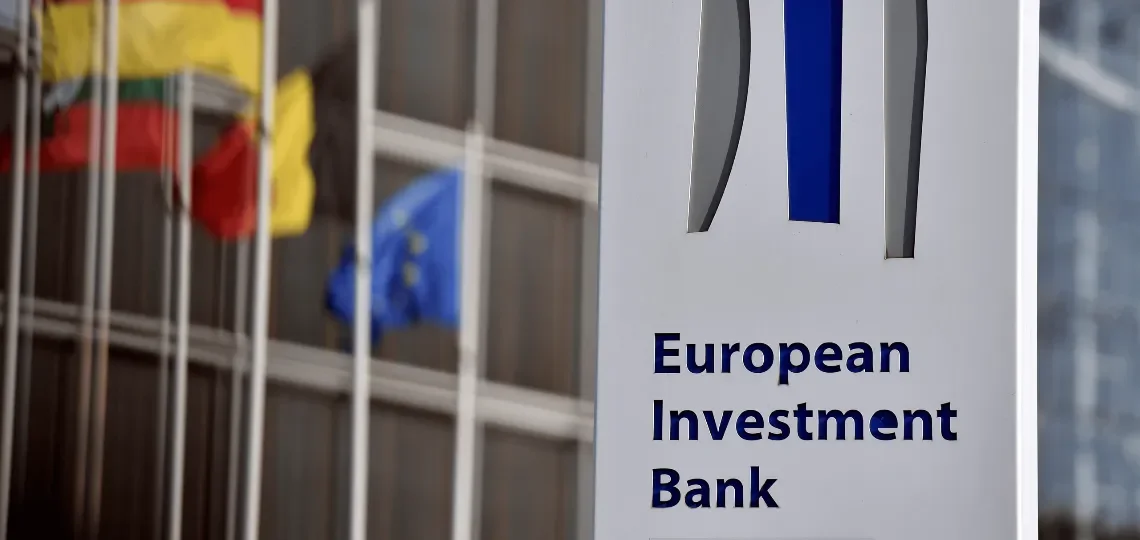
- EIB Lends €200 Million to A2A for Milan's Electricity Distribution Grid
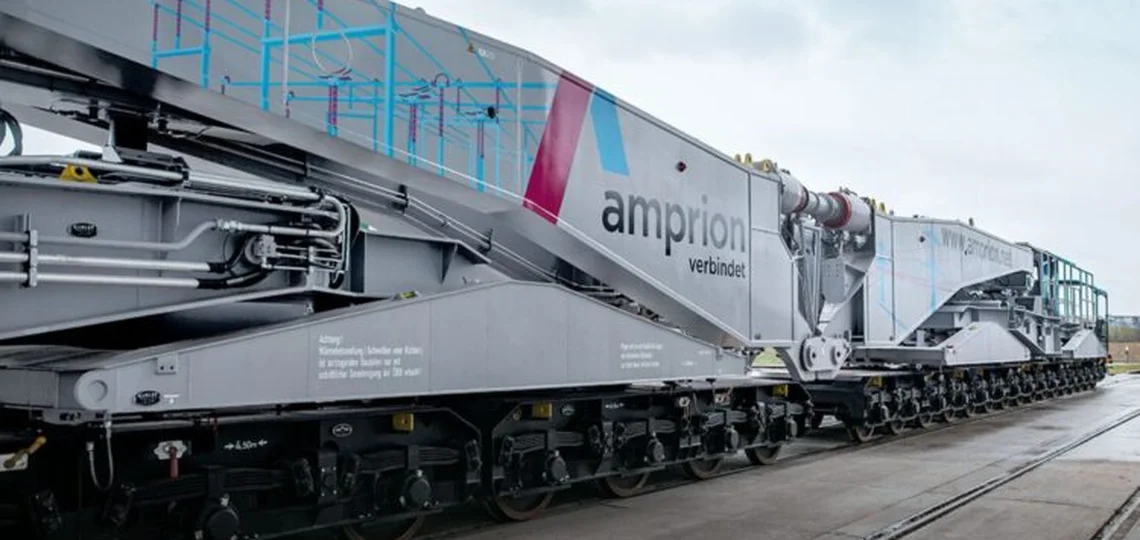
- AllianzGI acquires a stake in Amprion, Germany's second-largest electricity grid operator
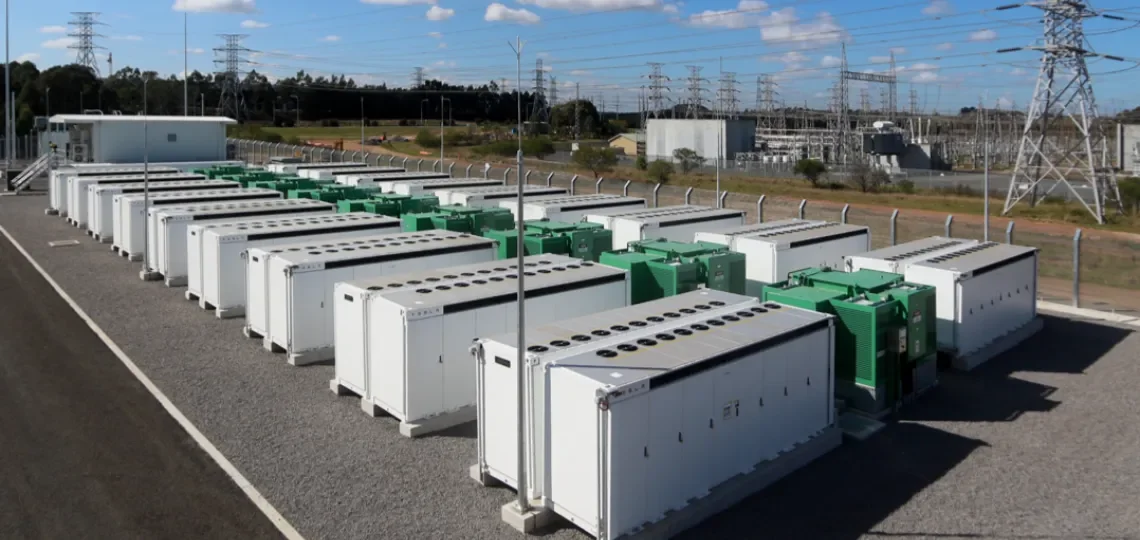
- Transgrid secures up to 2GW of batteries to strengthen NSW grid
Energy Storage
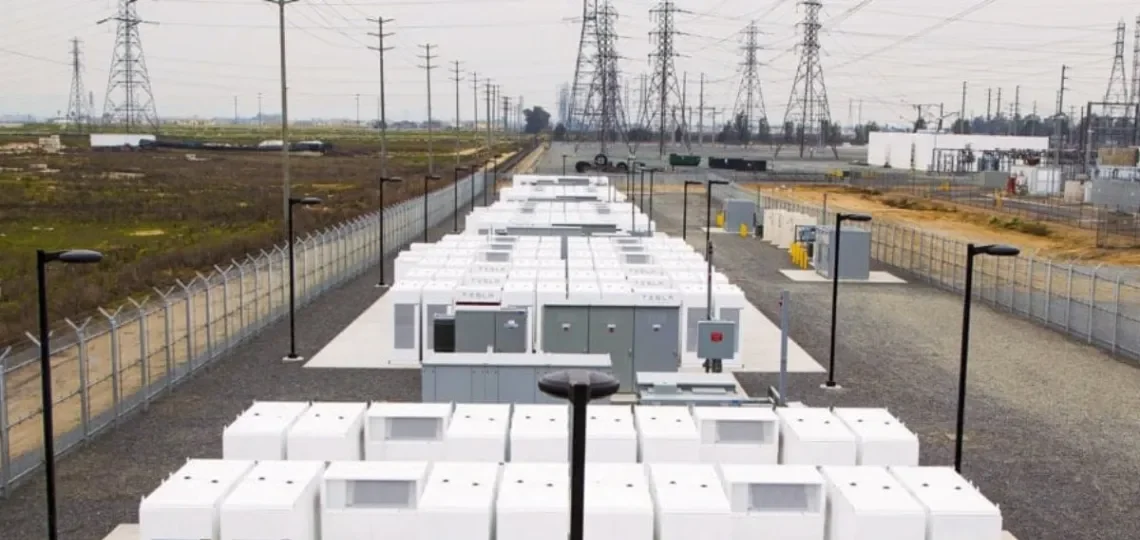
- U.S. Energy Storage Installations Reach Record 18.9 GW in 2025
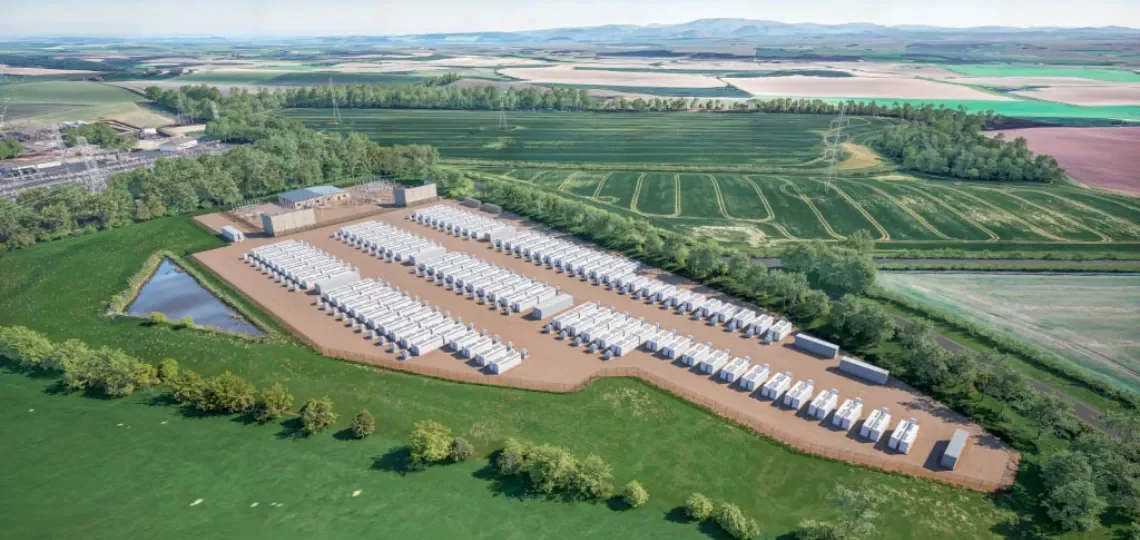
- Matrix Renewables Entrusts EDF with Optimization of Its 500 MW Scottish BESS
- India targets 500 GW of non-fossil electricity capacity by 2030
- Turbo Energy Anticipates 140% Growth and $23.5 Million in Revenue for 2025
- IEA warns of supply chain concentration in clean energy technologies
Oil · Gas · Coal
Renewables
Power grids · Storage
Hydrogen