
TOPCon 4.0 vs HJT: the financial trade-off in the solar sector in 2026
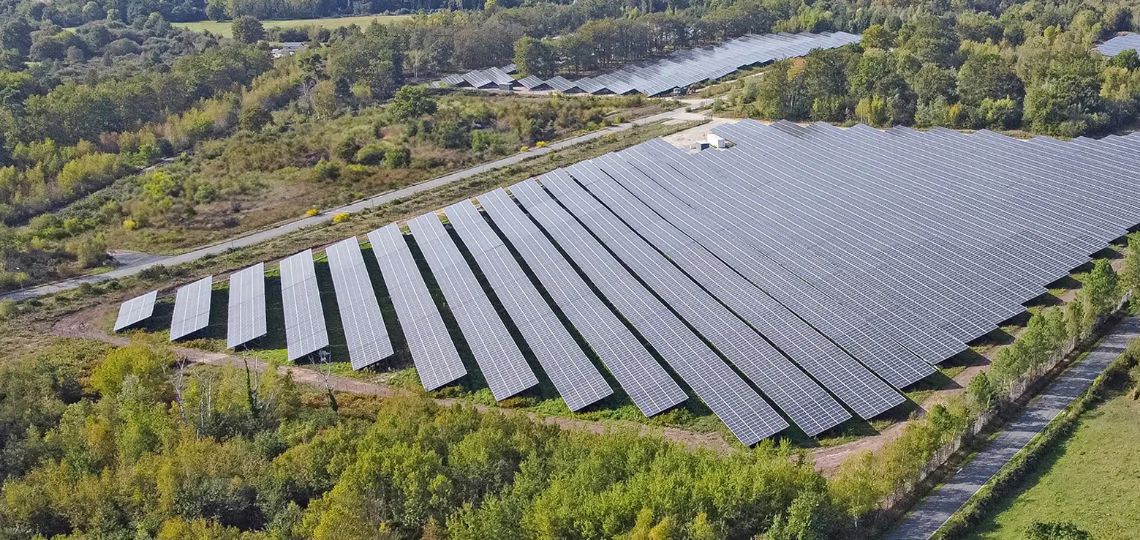
As the photovoltaic industry enters a phase of deep restructuring, the duel between TOPCon 4.0 and heterojunction technologies is redefining manufacturers’ margins. In 2026, reducing production costs becomes the primary strategic lever for global market leaders.
| Countries | Australie, Chine, France, Inde, États-Unis |
|---|---|
| Companies | TrinaSolar, Wood Mackenzie |
| Sector | Énergie Solaire, Photovoltaïque |
| Theme | Marchés & Finance, Analyse sectorielle |
The evolution of manufacturing processes is imposing a new hierarchy within the solar energy market. Tunnel Oxide Passivated Contact technology (TOPCon 4.0) has established itself as the dominant standard due to its compatibility with existing industrial infrastructure. According to recent analyses by Wood Mackenzie (Wood Mackenzie), the production cost of TOPCon stabilizes at around $0.25 per watt ($/W) in 2026. This competitiveness is directly linked to the ability to convert legacy PERC (Passivated Emitter and Rear Cell) production lines, thereby limiting initial capital expenditures for players such as Jinko Solar (Jinko Solar) and Trinasolar (Trinasolar).


Comments
Sign in to leave a comment.