Samsung SDI signs $1.53bn contract to supply LFP batteries in the United States

Samsung SDI will supply LFP cells for energy storage systems in the United States starting in 2027, under a multi-year deal valued at $1.53bn.
Share:

Comprehensive energy news coverage, updated nonstop

Annual subscription

8.25$/month*

*billed annually at 99$/year for the first year then 149,00$/year ​

Unlimited access • Archives included • Professional invoice

OTHER ACCESS OPTIONS

Monthly subscription

Unlimited access • Archives included

5.2$/month*
then 14.90$ per month thereafter

FREE ACCOUNT

3 articles offered per month

FREE

*Prices are excluding VAT, which may vary depending on your location or professional status

Since 2021: 35,000 articles • 150+ analyses per week

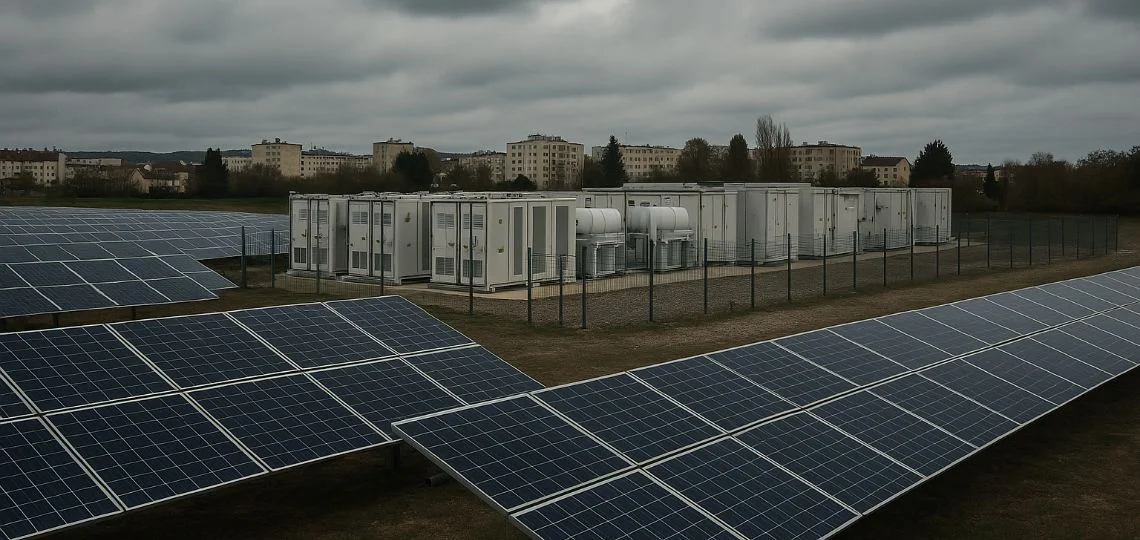
Samsung SDI has secured a contract worth over KRW2tn ($1.53bn) through its American subsidiary to supply lithium iron phosphate (LFP) batteries for energy storage systems (ESS) in North America. The South Korean group will begin deliveries in 2027 for a period of three years.
The batteries will be manufactured at Samsung SDI’s facility in Indiana. The company has already begun converting some of its electric vehicle battery production lines to ESS battery lines to meet increasing local demand.

Strategic positioning in the U.S. ESS market

The contract marks Samsung SDI’s entry into the North American LFP battery market, having historically focused on nickel-cobalt-aluminium (NCA) chemistry. This technological diversification reflects the company’s intent to meet growing needs for energy storage solutions, particularly as renewable energy projects expand and artificial intelligence adoption accelerates.

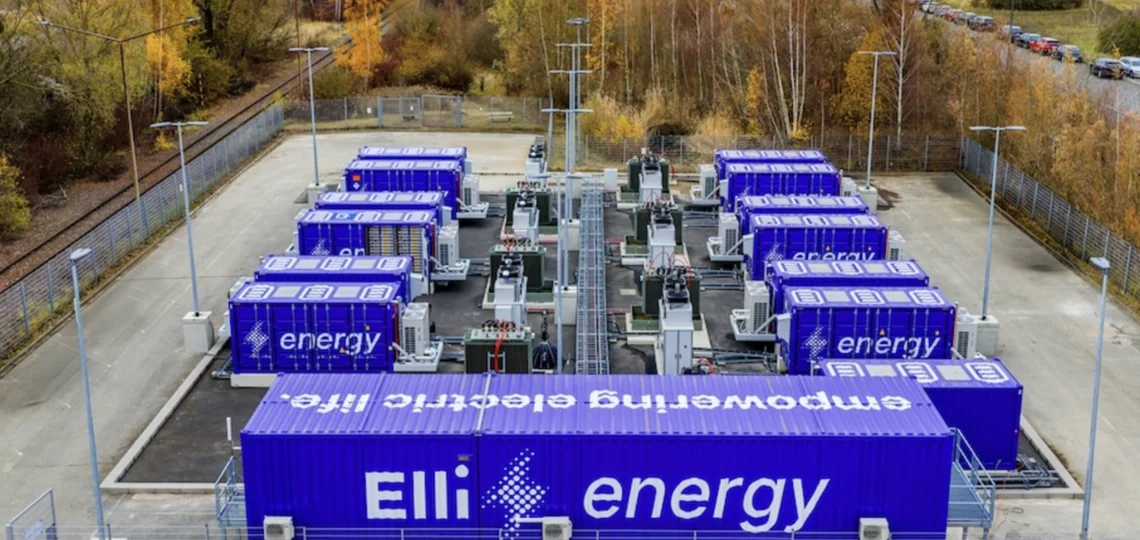
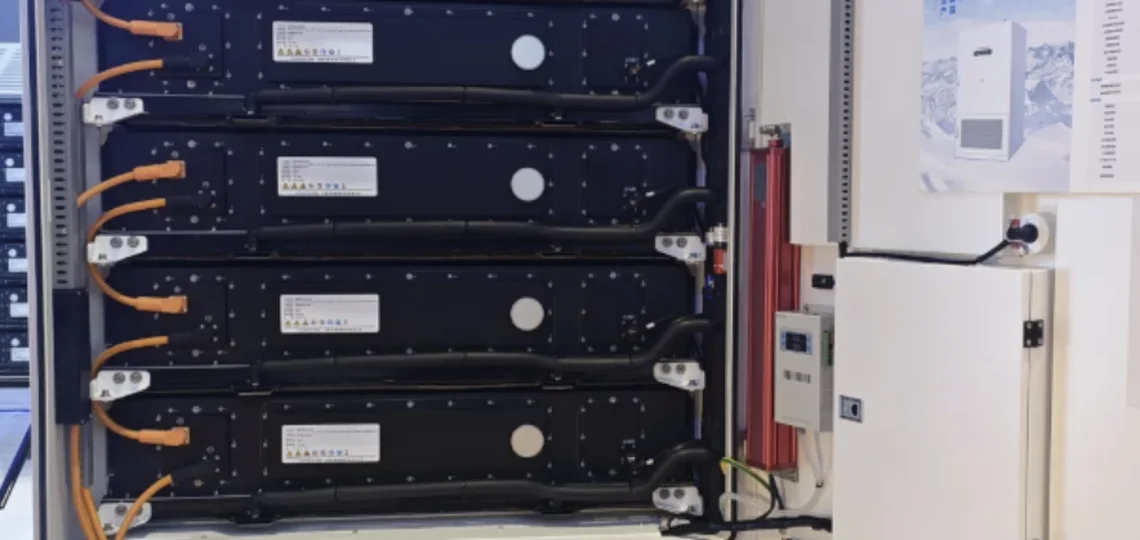
The prismatic LFP cells will be integrated into the Samsung Battery Box (SBB) 2.0, a 20-foot all-in-one container designed for portability and easy installation. This system consolidates several battery racks into a compact format. Initially launched with NCA cells in 2023, the SBB now incorporates LFP technology.

Proprietary technology and competitive edge

Samsung SDI highlights a proprietary No Thermal Propagation (No TP) technology in its prismatic LFP cells. This system prevents thermal spread between cells using insulating materials and an exclusive heat prediction programme. The design also includes an aluminium casing with safety features such as vents and fuses.

The company states that it has overcome the initial lower energy density of LFP by optimising anode materials and electrode processes. This has enhanced both the cost-efficiency and reliability of its battery modules.

Market context and outlook

According to research firm SNE, U.S. demand for ESS is expected to grow from 59 GWh in 2025 to 142 GWh by 2030. This increase coincides with a rising preference for prismatic LFP batteries, considered safer and more cost-effective than pouch-type formats.

Samsung SDI is currently the only non-Chinese manufacturer of prismatic cells operating in the United States. This unique position may offer a competitive advantage as the company negotiates further contracts with international clients for both LFP and NCA batteries.

A Samsung SDI representative said that this first long-term SBB 2.0 order in the U.S. marks a strategic step to provide American customers with ESS solutions focused on performance, safety, and price competitiveness, aligned with current energy market demands.

Remixpoint and Nippon Chikudenchi have formalised a partnership to develop seven 2MW/8MWh BESS facilities by October 2026 through a newly established joint venture.
UK-based Ray Systems has selected Beam Global to supply tailored battery systems for its new autonomous underwater drones, aiming to extend mission duration without compromising stealth or manoeuvrability.
Sungrow has started construction on a 200 MW/400 MWh battery storage system for ENGIE, aimed at strengthening grid stability in a state heavily reliant on renewable energy.
Blue Current secures over $80mn in funding led by Amazon to industrialise its silicon solid-state batteries for large-scale mobility and stationary applications.
AGL has begun construction of a 500 MW battery storage system in Tomago, a project valued at AUD800mn ($530.8mn), in the Hunter region, with commissioning expected in 2027.
Real estate group JALCO Holdings diversifies its activities by investing in a 2 MW/8.1 MWh battery energy storage system developed by Taoke Energy in Narita, Chiba Prefecture.
BKW is conducting feasibility studies on four sites to assess the profitability and development conditions for large-scale battery storage installations in Switzerland.
A 300 MW/1,200 MWh electrochemical energy storage facility has been commissioned in China, marking a major milestone in the country’s largest publicly funded energy infrastructure project.
Sustainable Holdings is developing a battery storage facility in Matsusaka, with operations scheduled to begin in June 2026 on Japan’s electricity market.
California-based Korbel Winery is now equipped with an integrated energy storage and intelligent control system, installed by Energy Toolbase and BPi, to optimise usage and address local grid constraints.
The 200 MW Greenwater battery storage project enters execution phase following a $400mn bank financing, marking a strategic milestone in the Pacific Northwest’s energy infrastructure development.
Solar with batteries becomes a bankability lever in three key ASEAN markets, where the focus shifts from cost reduction to the monetisation of energy flexibility.
Energy group RWE launches construction of its largest UK storage system, with 700 MWh capacity, at its Pembroke power station in Wales.
The Australian government opens Tender 8 to secure 16 GWh of storage, for the first time including aggregated portfolios of 5 to 30 MW within the National Electricity Market.
With a strategic investment in a 200 MWh facility, European Energy strengthens its industrial position in Denmark and energises the Nordic battery storage market.
The Spanish renewable energy producer significantly increased its investments and revenue while achieving more than half of its asset rotation target for the 2025–2027 period.
Chinese manufacturer EVE Energy has signed a three-year memorandum of understanding with Sweden’s Vimab BESS AB to supply batteries and energy storage solutions in Northern Europe.
Huawei's full-lifecycle battery safety rating system has been officially validated by a national technical committee, marking a key milestone for large-scale energy storage deployment.
AMPYR Australia and InCommodities have signed a 15-year partnership for the Bulabul BESS project, marking the Danish trader’s first long-term commitment in the Australian energy storage market.
Tokyo Gas and Okaya & Co. will begin construction in December 2025 of a 25 MW/75 MWh battery energy storage system in Hokkaido, with commercial operations expected in 2028 or later.

All the latest energy news, all the time

Annual subscription

8.25$/month*

*billed annually at 99$/year for the first year then 149,00$/year ​

Unlimited access - Archives included - Pro invoice

Monthly subscription

Unlimited access • Archives included

5.2$/month*
then 14.90$ per month thereafter

*Prices shown are exclusive of VAT, which may vary according to your location or professional status.

Since 2021: 30,000 articles - +150 analyses/week.