
Middle East: renewables to overtake fossil fuels by 2040
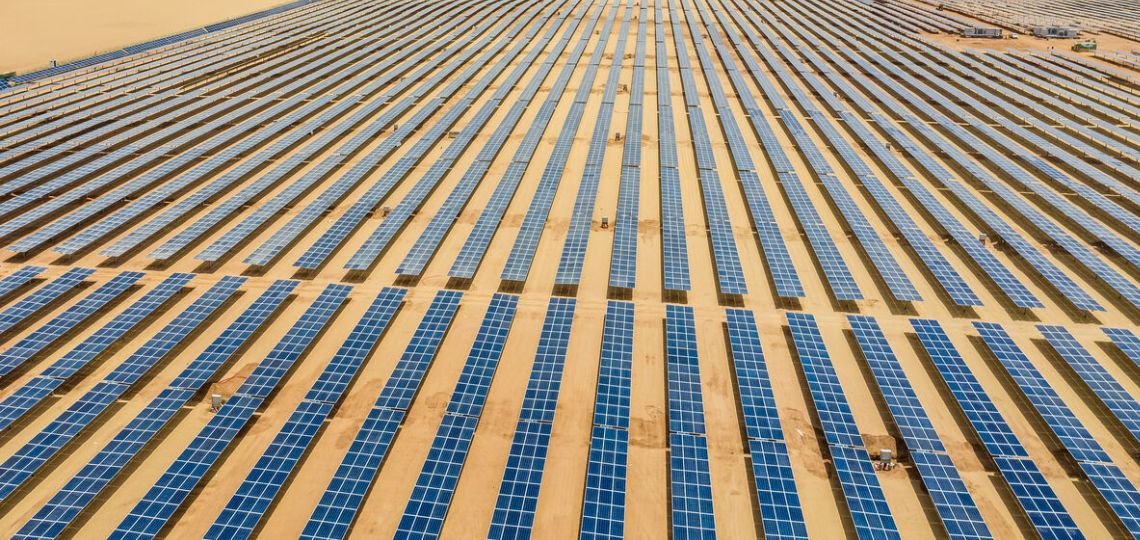
The Middle East is embarking on a major energy transition, with renewable energies, mainly solar, set to surpass fossil fuels in electricity generation by 2040.
| Countries | Émirats Arabes Unis, Israël, Oman, Arabie Saoudite |
|---|---|
| Companies | Rystad Energy |
| Sector | Énergie Éolienne, Énergie Marine & Hydraulique, Énergie Solaire, Photovoltaïque, Terrestre, Hydroélectricité |
| Theme | Marchés & Finance, Analyse sectorielle |
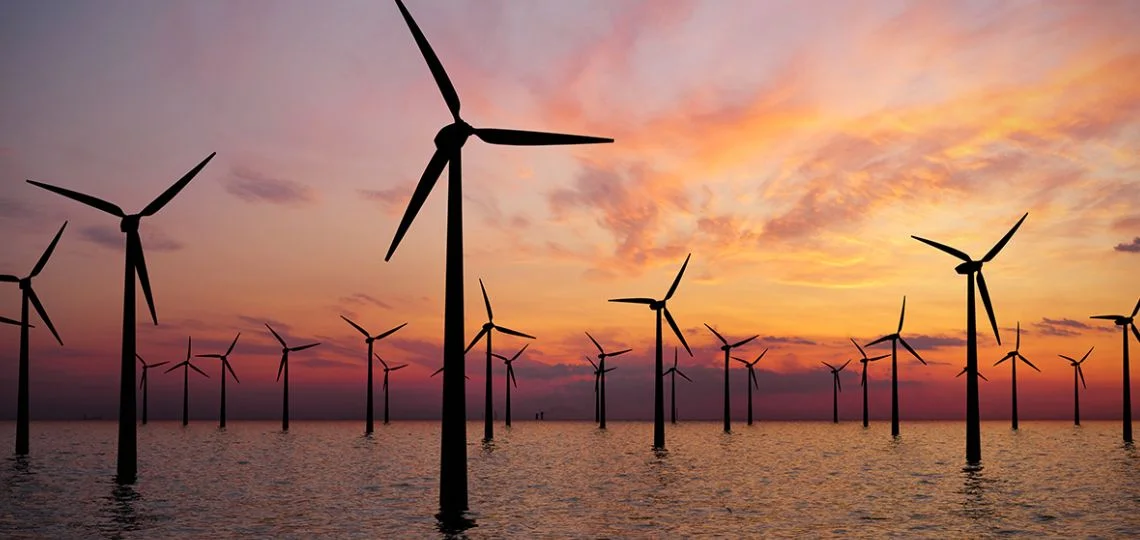
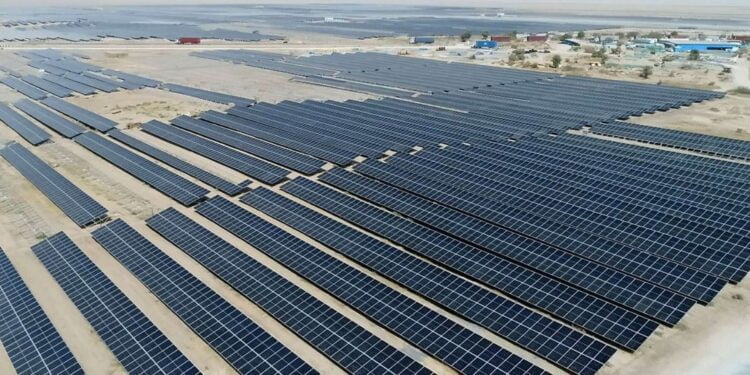
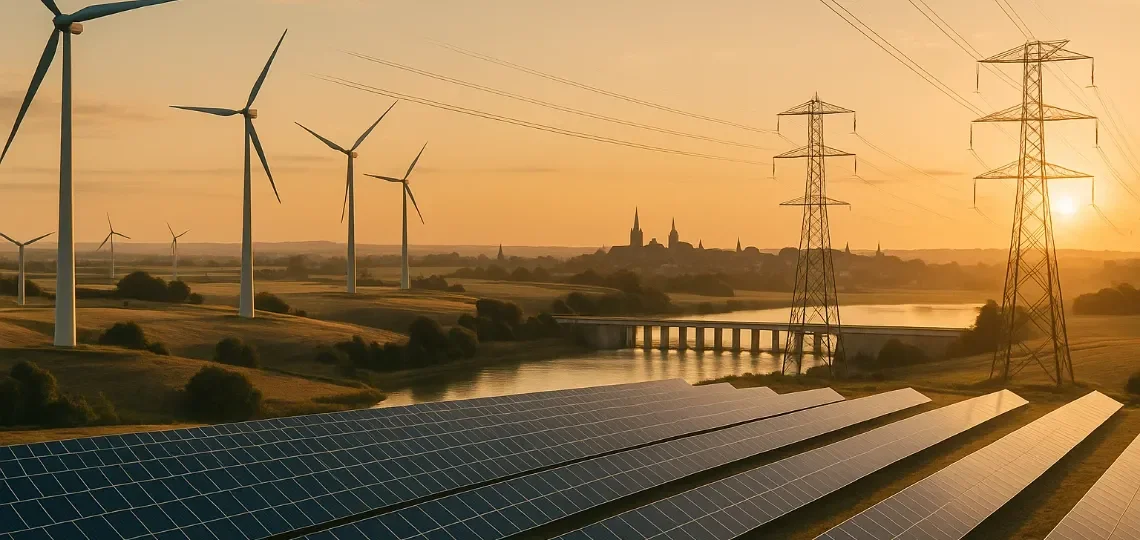
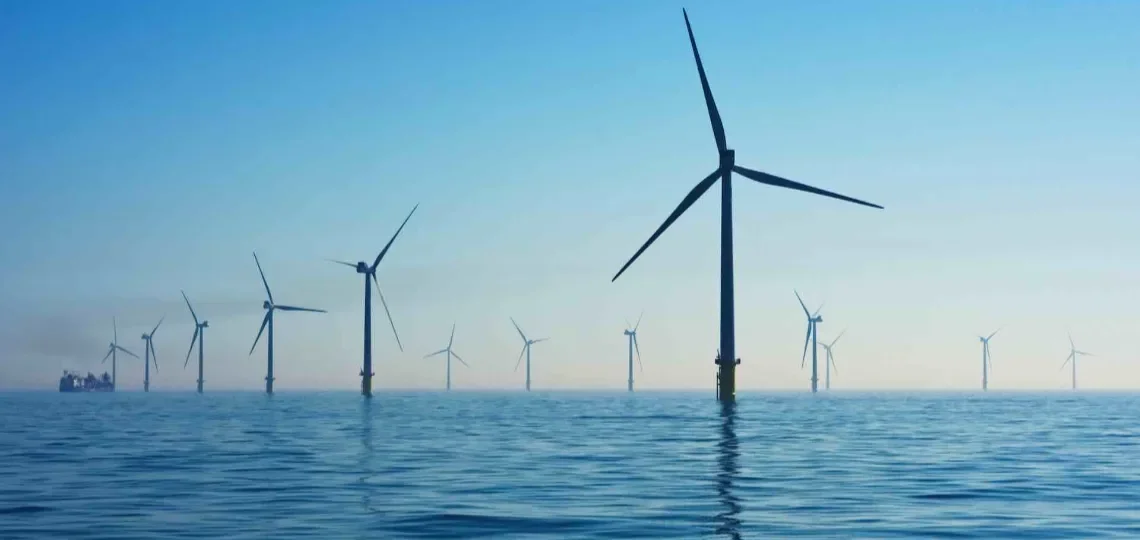
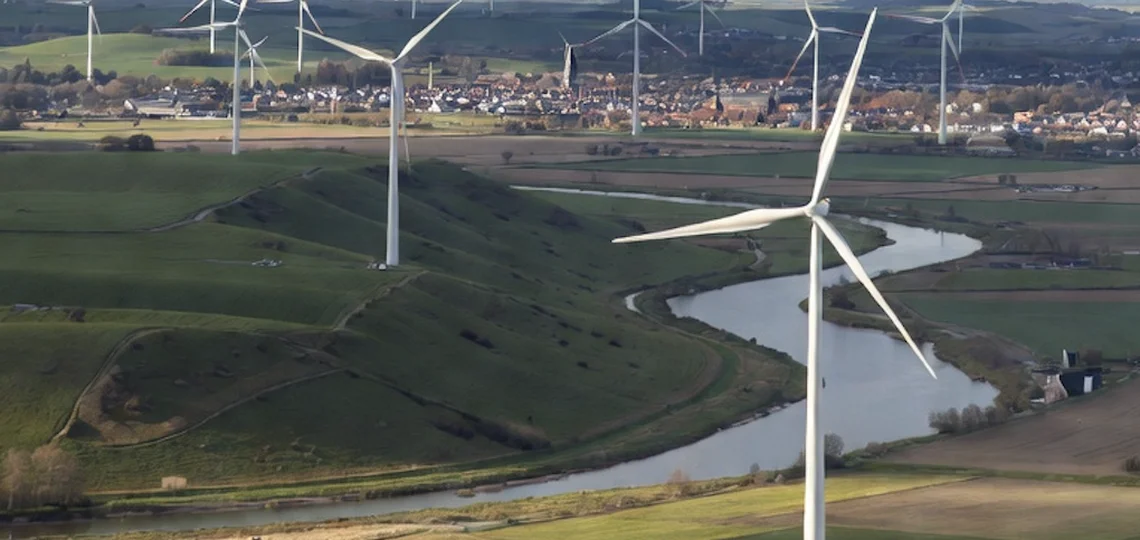
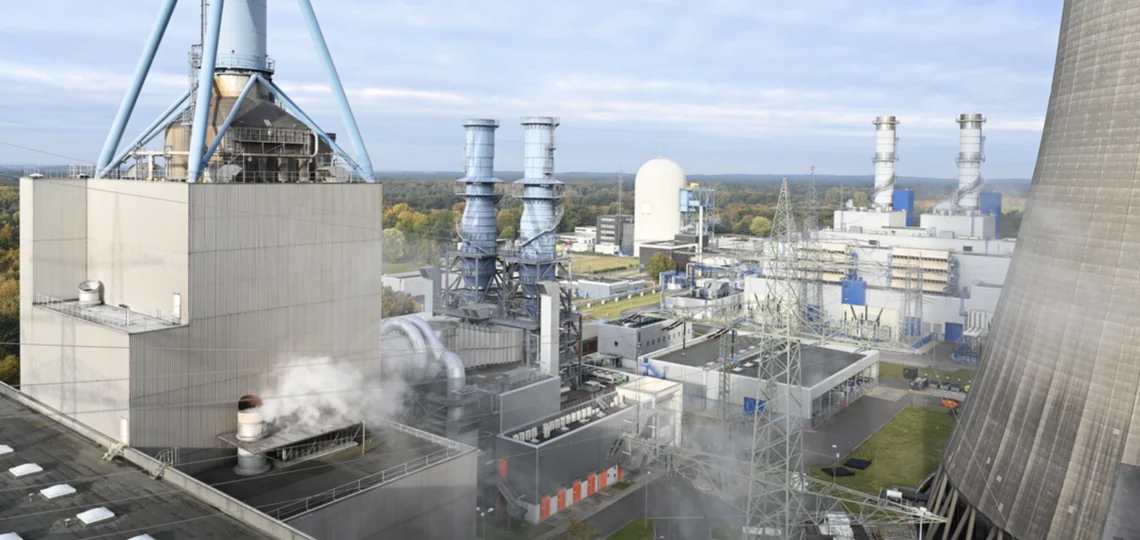
Renewable energy capacity in the Middle East is set to grow exponentially over the coming years. According to the latest research from Rystad Energy, green energy sources will surpass fossil fuel use in the electricity sector by 2040. Solar PV will emerge as the main energy source, accounting for more than half of the region’s energy supply by mid-century, up from just 2% last year. By 2050, renewable energy sources, including hydropower, solar and wind, are expected to make up 70% of the Middle East’s electricity generation mix. This significant leap, from just 5% to the end of 2023, marks a radical transformation of the region’s energy landscape. Despite this rise in clean energy installations, the region will continue to rely heavily on fossil fuels and natural gas in the short term, with usage set to grow to a peak around 2030.


Comments
Sign in to leave a comment.