Brent Crude Slides 1.1% as Washington Prepares Unprecedented Market Intervention
Brent and WTI crude prices declined for the first time in a week. Washington is considering intervention in futures markets while India procures Russian crude oil.
Crude oil prices posted their first retreat in nearly a week as investors anticipate potential Washington intervention in futures markets. At 04:40 GMT, Brent was down $0.95, or 1.1%, to $84.46 per barrel. West Texas Intermediate (WTI) fell simultaneously by $1.08, or 1.3%, to $79.93 per barrel.
A 21% Surge Fueled by Middle East Conflict
Oil markets have evolved under high tension since the United States and Israel launched a military operation against Iran dubbed "Operation Epic Fury". The operation resulted in the death of Iran's supreme leader, Ayatollah Ali Khamenei, after which Tehran conducted retaliatory strikes on multiple sites across the Middle East. Over the four trading sessions since the conflict began, Brent advanced more than 16% and WTI more than 19%. Since the operation's launch, crude futures contracts have surged nearly 21%.
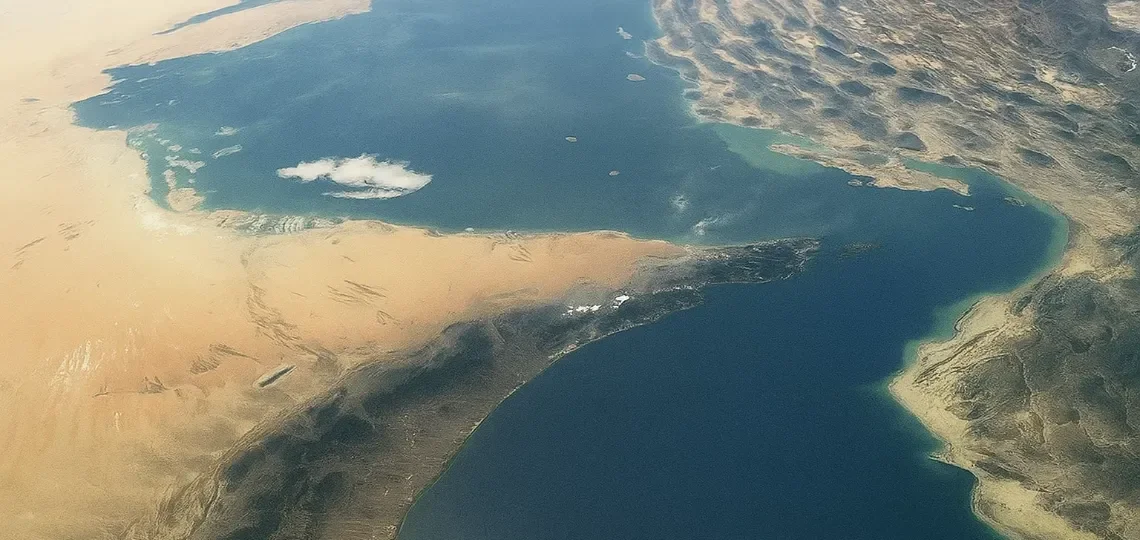
The escalation has disrupted crude oil flows via the Strait of Hormuz, a passage for approximately 20% of global daily crude oil supply. Some refineries suspended operations, reducing regional production. In the United States, gasoline prices rose $0.27 in a week, bringing the national average price to $3.25 per gallon, according to AAA (American Automobile Association).
Washington and New Delhi Seek Solutions to Supply Crisis
A senior White House official indicated that the U.S. Treasury Department was preparing to unveil measures to contain the rise in energy costs linked to the conflict. This approach would constitute a rare Washington intervention, aimed at influencing prices through financial markets rather than by adjusting physical crude supply. American authorities are seeking to limit economic and political fallout from rising fuel prices.
Indian refiners, who previously faced pressure to cease purchases, have begun acquiring millions of barrels of Russian crude, with Washington reportedly granting exemptions to authorize these transactions. Approximately 9.5 million barrels of Russian crude are positioned near Indian waters and could arrive in coming weeks. These deliveries would provide swift relief to refiners whose crude stocks cover only about 25 days of demand equivalent.












Comments
Sign in to leave a comment.