Zambia turns to South Africa and Zimbabwe for electricity
Zambia will import 200 MW of electricity from South Africa and Zimbabwe to compensate for severe power cuts caused by prolonged drought.

| Secteurs | Énergie Marine & Hydraulique, Hydroélectricité |
|---|---|
| Thèmes | Politique & Géopolitique, Sécurité énergétique |
Zambia, faced with an energy crisis since October 2023, is turning to imported electricity to mitigate power cuts.
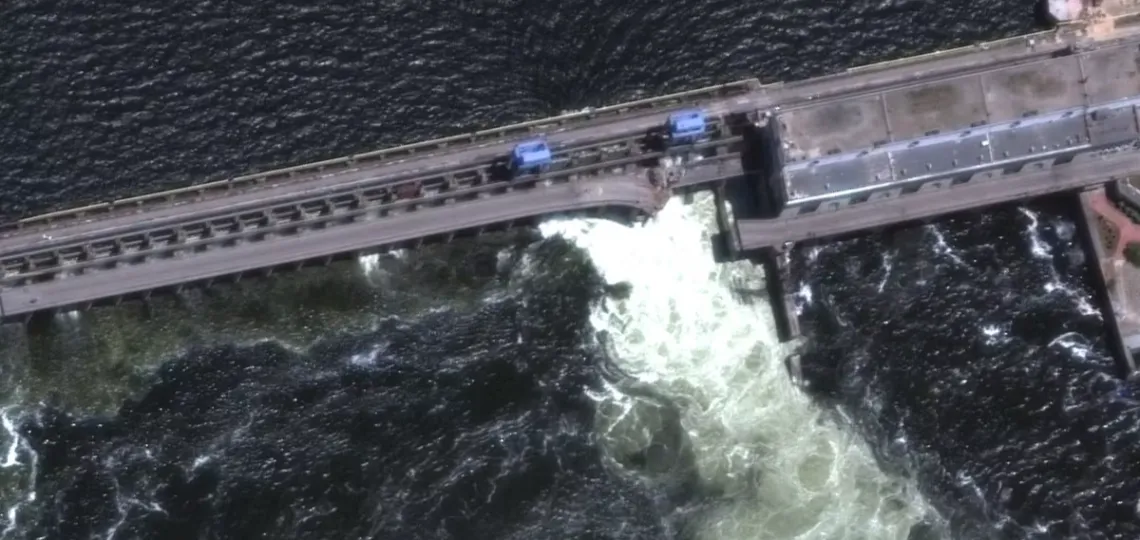
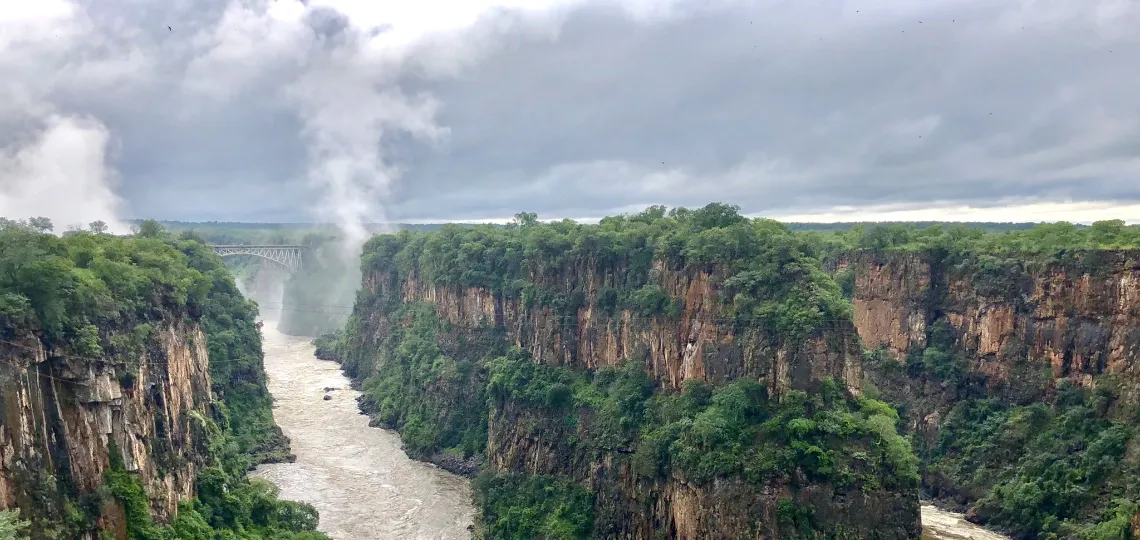
The country, where 80% of electricity is generated by hydroelectric dams, is suffering the effects of a severe drought.
The Zambian government has announced agreements with Eskom and Zimbabwe Power Company to import over 200 megawatts of electricity.
Impact of drought on electricity generation
Persistent drought in Zambia, exacerbated by climate change and the El Niño phenomenon, has considerably reduced water levels in dams.
This situation has forced ZESCO, the national electricity company, to generate less than half the national demand.
Power cuts are lasting up to sixteen hours a day, paralyzing the economy and mainly affecting small businesses and households.
Electricity Import Agreements
To remedy this critical situation, Energy Minister Makozo Chikote has negotiated agreements with Eskom and Zimbabwe Power Company.
These imports, scheduled to begin in August 2024, are intended to stabilize power supply and support economic sectors affected by power cuts.
This initiative is expected to reduce power outages and boost the national economy.
Complementary initiatives
In addition to imports, the Zambian government has implemented several measures to minimize the impact of the blackouts.
Diesel generators have been installed in hospitals and schools to ensure the continuity of essential services.
In addition, the abolition of the tax on solar panels is intended to encourage private investment in the energy sector, thereby diversifying energy sources and strengthening the resilience of the power grid.
Future prospects
These government measures are designed to stabilize the energy situation in the short term and revitalize economic activity.
However, this crisis underlines the need for long-term investment to ensure sustainable energy security.
The government is considering energy diversification strategies to ensure resilience in the face of future climate crises.