Hydraulic dam: China develops its capacities in a controversial way
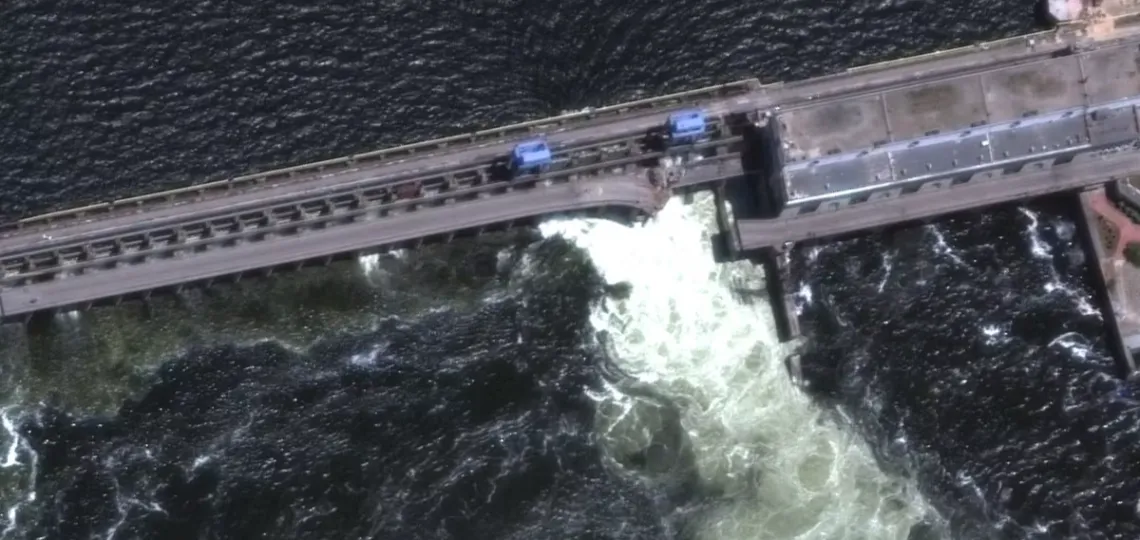
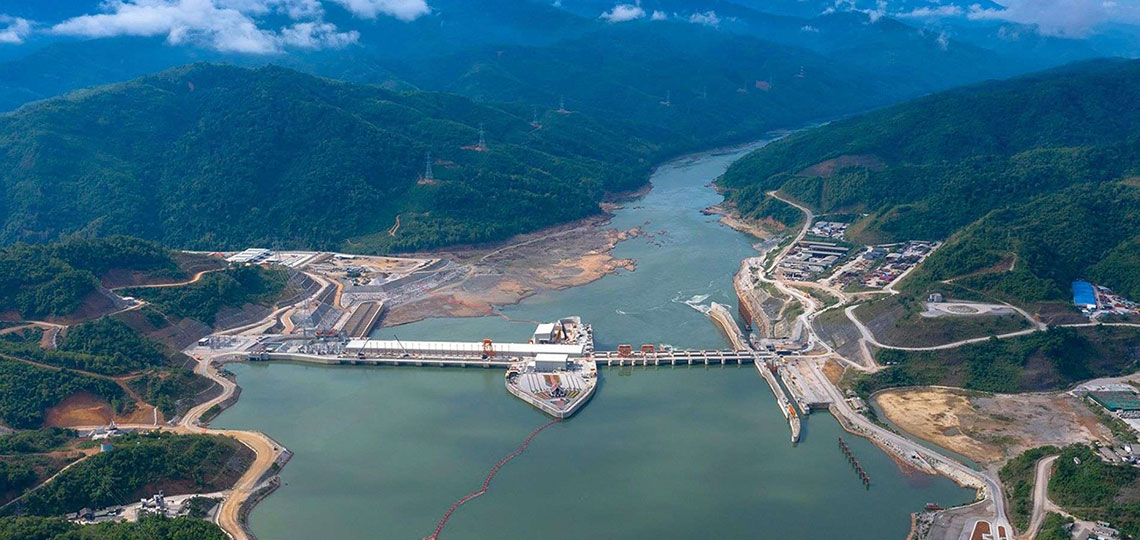
Dams are currently being considered in China to accelerate the country’s energy transition. In particular, the state could build up to 60 gigawatts of hydroelectric capacity on part of the Brahmaputra River, known as the Yarlung Tsangbo. This project is part of the list of policy recommendations in the Chinese Communist Party’s 2021-2025 « five-year plan ».
| Secteurs | Énergie Marine & Hydraulique |
|---|---|
| Pays | Chine |
Dams are currently being considered in China to accelerate the country’s energy transition. In particular, the state could build up to 60 gigawatts of hydroelectric capacity on part of the Brahmaputra River, known as the Yarlung Tsangbo. This project is part of the list of policy recommendations in the Chinese Communist Party’s 2021-2025 « five-year plan ».
Hydropower dams to ensure the country’s carbon neutrality
According to Reuters, Yan Zhiyong, Chairman of the state-owned Power Construction Corporation of China, described the project as a « historic opportunity ». This will help secure water supplies and meet China‘s 2050 carbon neutrality target, according to China Energy News. China, which has 350 gigawatts of hydropower capacity, expects to double its resources in the medium term.
China’s hydroelectric dams break records
In fact, the Wudongde power plant set a record in the short-circuit test. The latter, located between Sichuan and Yunnan provinces downstream of the Jinsha River, has reached a maximum voltage of 800 kV. This test can be used to test scenarios in which the power plant suffers a short break due to thunder, for example. For this project, a converter valve developed by China Southern Power Grid was used.
Thanks to the world’s first flexible DC test, this station, which will go into service at the end of the year, has a bright future ahead of it. It will generate 3.3 million kW of energy, which will be transferred to the provinces of Guangdong, Guangxi Zhuang and Guangdong-Hong Kong-Macao.
A project heavily criticized
The river on which the new hydroelectric dam is to be built rises in Tibet and flows towards India and Bangladesh. This geographical reality has led to numerous protests from Tibetan rights activists. In fact, this project could be developed downstream, guaranteeing the protection of the rights of the peoples in the region.
However, Yan Zhiyong declared that this project would contribute to the development of renewable energies in Tibet and to cooperation between South Asian countries through the creation of roads and power grids.
An environmental catastrophe?
Environmental groups also point to the saturation of China’s rivers due to an increase in the number of hydraulic dams in the country. Recent years have seen the construction of the Three Gorges Dam and other hydraulic structures on the Yangtze River. An American study has also demonstrated the worsening drought in these areas, directly caused by these structures.
However, according to Wood Mackenzie analyst Frank Yu, China must continue on this path if it is to meet the carbon neutrality target set by Xi Jimping in September. By 2060, the country will have to develop 250 GW of new hydropower capacity.
If China pursues its hydroelectric dam projects, it could potentially guarantee an energy transition at the cost of a significant environmental impact.