Serbia braces for economic shock after shutdown of its only oil refinery
The shutdown of the Pancevo refinery, targeted by US sanctions against its Russian shareholders, threatens fiscal revenues, employment, and Serbia’s energy stability.
| Secteurs | Pétrole, Raffinage |
|---|---|
| Thèmes | Politique & Géopolitique, Sanctions |
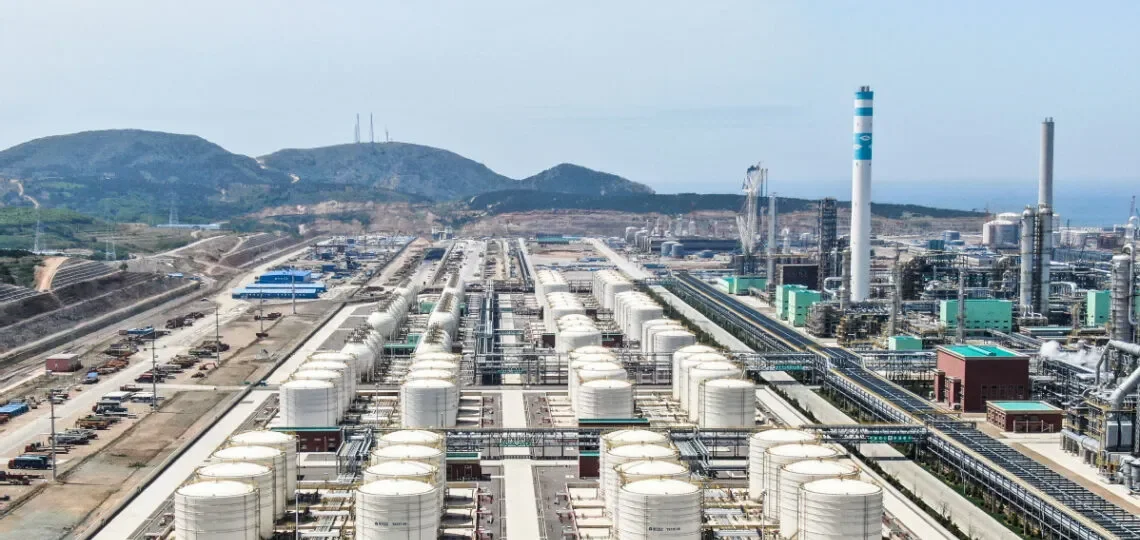
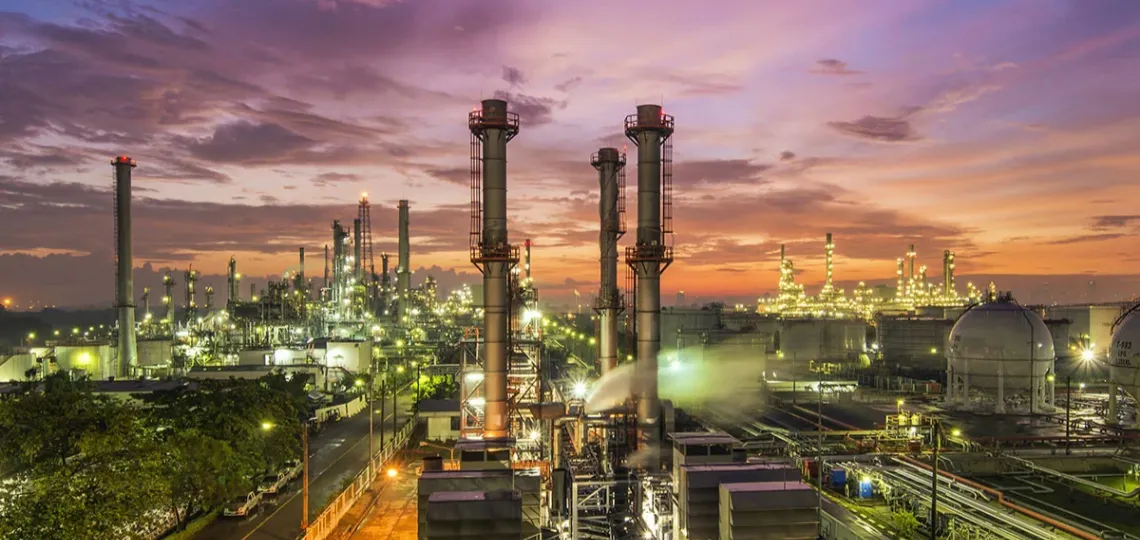
The shutdown of the Pancevo refinery, Serbia’s only operational facility, is jeopardising the country’s energy supply and exposing its economy to significant disruption. Operated by Naftna Industrija Srbije (NIS), the oil company majority-owned by Russian shareholders, the facility has not processed crude oil since 9 October due to sanctions imposed by the United States. Washington has made the lifting of these measures conditional upon a complete withdrawal of Gazprom Neft and Intelligence, which jointly own approximately 56% of NIS.
The refinery typically covers 80% of the country’s fuel demand. Its closure is forcing Belgrade to massively increase imports of refined petroleum products, putting additional pressure on public finances. According to the company’s annual report, NIS and its subsidiaries contributed over €2bn ($2.16bn) to Serbia’s public revenues in 2024, representing nearly 12% of the national budget.
The national financial system exposed to secondary sanctions
Beyond energy concerns, the continuation of NIS’s financial operations raises the risk of secondary sanctions. Should the National Bank of Serbia continue to allow the company to conduct transactions, Washington could blacklist the institution, effectively isolating it from international markets, freezing foreign assets, and halting financial flows.
Aleksandar Vucic, President of the Republic of Serbia, stated that NIS would be allowed to carry out transactions until the end of the current week, mainly for salary and supplier payments. However, no structural resolution has been announced regarding the company’s future amid the shareholder deadlock.
Direct threat to jobs and petrol stations
NIS employs around 13,500 people in Serbia and operates nearly 20% of the country’s 1,500 petrol stations. A prolonged shutdown of the refinery could lead to layoffs and disrupt national fuel distribution. The government has allocated €1.4bn ($1.51bn) in its 2026 budget to buy out Russian shares if negotiations fail, after having sold the same stake in 2008 for €400mn ($432mn).
A partial suspension of US sanctions against Lukoil, announced recently, has brought some relief to the sector. It allows 112 of its petrol stations outside Russia, including those in Serbia, to continue operating until 29 April 2026.
Short-term gas supply secured
Meanwhile, Serbia has secured its natural gas needs, which account for more than 92% of national consumption, through a short-term agreement soon to be signed with Moscow. With the current contract expiring at the end of the year, this announcement aims to reassure about supply continuity during the winter.
Faced with the deadlock, Belgrade has set a mid-January deadline for a possible sale of NIS’s Russian-owned shares. Hungarian and Emirati investors are reportedly interested, according to President Vucic.