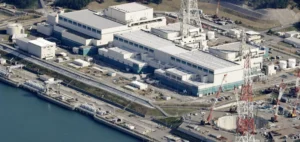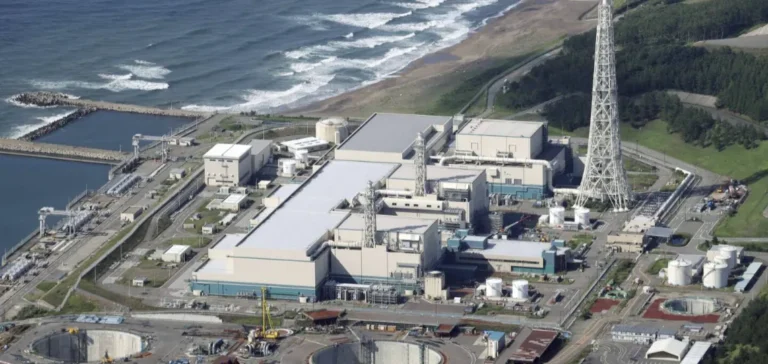

The regional assembly of Niigata Prefecture has begun discussions on the partial restart of the Kashiwazaki-Kariwa nuclear power plant, operated by Tokyo Electric Power Company (Tepco). The unit in question is reactor number 6, with a capacity of 1,356 megawatts. A decision is expected by December 22 and would mark a significant step for Tepco, which has not restarted any nuclear unit since the Fukushima incident in 2011.
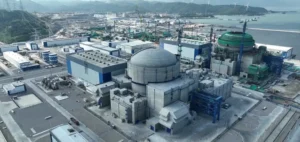
Located on the Sea of Japan coast, around 300 kilometres northeast of Tokyo, Kashiwazaki-Kariwa remains the largest nuclear power plant in the world by installed capacity. The entire site was shut down following the earthquake and tsunami that caused multiple core meltdowns at Fukushima Daiichi, also operated by Tepco.
A strategic energy lever for the country
The nuclear relaunch is aligned with Japan’s priority to reinforce national energy security. The country, which has limited natural resources, remains heavily dependent on fossil fuel imports, which account for 60% to 70% of its electricity generation. Prime Minister Sanae Takaichi has repeatedly voiced support for the gradual reactivation of existing nuclear facilities.
Tepco has initiated several measures to convince local and national authorities of the reliability of its upgraded safety standards. Evacuation drills, emergency simulations and containment demonstrations have been conducted on-site. During a recent visit for members of the Japan Business Federation, Tepco President Tomiaki Kobayakawa stated that “nuclear energy remains essential for Japan.”
Ongoing concerns at the local level
Despite technical assurances, local officials such as Yukihiko Hoshino, a member of the Kashiwazaki city assembly, expressed concern. He pointed out that some residents in the Fukushima region still cannot return to their homes more than a decade after the disaster. The area’s evacuation capabilities in case of emergency remain a primary issue.
The exact timing of the vote within the regional assembly is still unclear. If approved, Tepco plans to restart unit 6 in January, with unit 7 possibly following. The utility also mentioned the potential decommissioning of the remaining five units on the site.
An evolving electricity market
According to Japan’s Ministry of Industry, restarting unit 6 would increase available capacity for the Tokyo area by 2%, where electricity demand is rebounding. Growth is driven in part by new data centre developments and expanding artificial intelligence applications, which add load to the grid.
Currently, 14 of the 33 nuclear reactors still deemed operable in Japan have resumed operations. The outcome at Kashiwazaki-Kariwa could signal broader momentum for nuclear restarts in a context of projected increases in electricity consumption.