
German industrial group Thyssenkrupp AG is launching a major restructuring of its steel subsidiary Thyssenkrupp Steel Europe (TKSE), aiming to reduce its nominal production capacity by around 25% and cut or outsource up to 11,000 jobs. The restructuring plan, approved through a collective agreement with the IG Metall union, will run until 2030. It will lower annual deliverable volumes from 11.5 to approximately 9 Mt and serves as a prerequisite for a possible acquisition by Jindal Steel International.
A strategic shift driven by profitability targets
This move follows several failed attempts to sell or partner the steel business, considered too risky socially and financially. TKSE has recorded over €3bn in asset impairments in recent years, leading the parent company to label the unit a “residual problem.” For Berlin and Brussels, this restructuring is also an implicit condition for maintaining nearly €2bn in subsidies for the tkH₂Steel decarbonisation project.
The tkH₂Steel project at the core of the site’s future
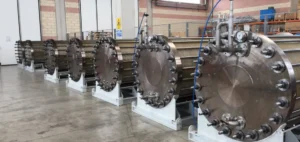
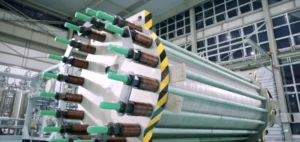
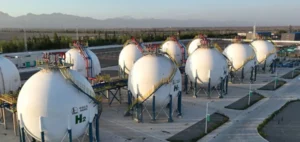
The project involves building a hydrogen-based direct reduction plant in Duisburg, which is central to TKSE’s industrial transformation. To ensure its viability, investments must shift away from conventional blast furnaces towards low-carbon technologies, requiring high capex at a time when operational margins remain under pressure. The capacity reduction is intended to maximise utilisation of remaining assets and optimise capital allocation.
A strong signal sent to the European steel market
The production cut will directly impact the hot rolled coil market in Germany and the Benelux region, though it is unlikely to reverse current price pressures in the short term. Demand from the automotive and construction sectors remains weak, while Asian imports continue to weigh on prices. However, in the medium term, phasing out high-emission capacity under a stricter Carbon Border Adjustment Mechanism (CBAM) could support premiums for low-carbon steel.
Jindal’s bid depends on a prior “cleanup”
Jindal Steel International’s non-binding offer, backed by a €2bn investment plan, includes the assumption of TKSE’s social liabilities, including pension obligations. The transaction would require approval by European competition authorities. The current strategy aims to present Jindal with a downsized, de-risked entity—socially and industrially—to avoid political and union resistance after the sale.
Geopolitical and industrial implications for Europe
The potential transfer of Germany’s only heavy steel mill to a foreign operator reshapes the strategic geography of steel production in Europe. It raises concerns over extra-European control of a state-backed asset linked to future hydrogen demand. The European Union also views the TKSE case as a test of whether climate policy instruments can drive industrial transformation instead of asset destruction.