
Dalkia has inaugurated a new urban heating network in Poitiers, in partnership with the Grand Poitiers authority and the Nouvelle-Aquitaine Region. Named Grand Poitiers Chauffage Urbain – Poitiers-Biard (GPCU PB), the project aims to strengthen local energy autonomy through infrastructure powered 95% by low-carbon energy sources. The installation serves 55 public and private buildings and will reduce carbon dioxide emissions by 5,400 tonnes annually.
A 13 km network operational after one year of construction
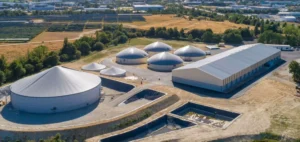
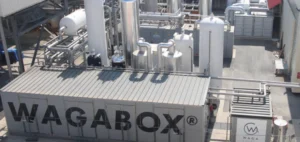
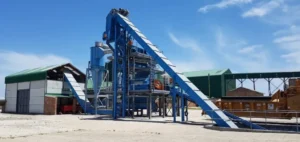
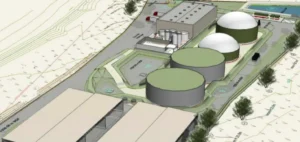
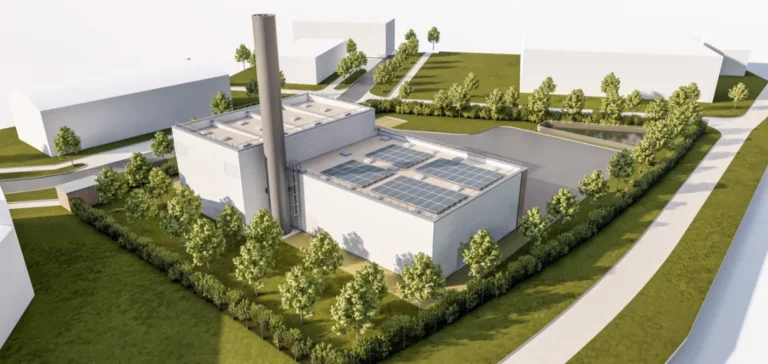
The main heating plant, located in the Montgorges district, operates on wood energy and has a capacity of 5.3 megawatts. It uses forestry residues collected within a 100-kilometre radius, contributing to a regional circular economy. The site is also equipped with photovoltaic panels on its roof to optimise the facility’s overall energy performance.
The 13-kilometre distribution network provides heating and hot water to various buildings, including social housing units, co-owned residences and several schools. The system supplies around 2,500 households while avoiding emissions equivalent to those produced by 2,700 cars.
Mixed financing and local economic impact
The total cost of the project amounts to €22mn ($23.8mn), of which €8.6mn ($9.3mn) was provided by the French Agency for Ecological Transition (ADEME) under the Heat Fund. The European Union also contributed €3mn ($3.2mn) through the European Regional Development Fund (ERDF), managed by the Nouvelle-Aquitaine Region. Dalkia financed the remaining amount under a public service delegation agreement.
The company also included a professional training component in the initiative, with 12,000 hours of social integration planned over 20 years. The objective is to train young people in energy sector professions and create long-term economic ties within the Grand Poitiers area.
Expansion and energy mix diversification planned
An expansion of the network is scheduled for summer 2026. It will connect GPCU PB with the existing Poitiers Saint-Benoît Buxerolles network (GPUC PSBB). This interconnection will be accompanied by the installation of a new multi-fuel boiler designed to run primarily on miscanthus, a perennial plant cultivated locally.
This development will increase the total capacity of the interconnected system to a level sufficient to meet the needs of 15,000 households. The project also aims to stabilise the price of supplied energy by reducing dependency on fossil fuels and fluctuations in the international market.