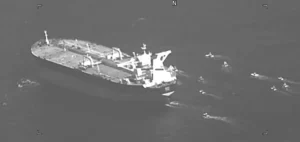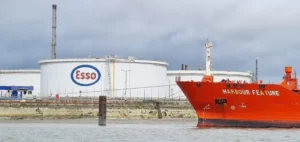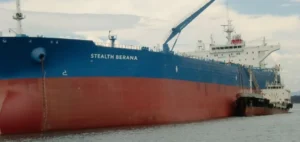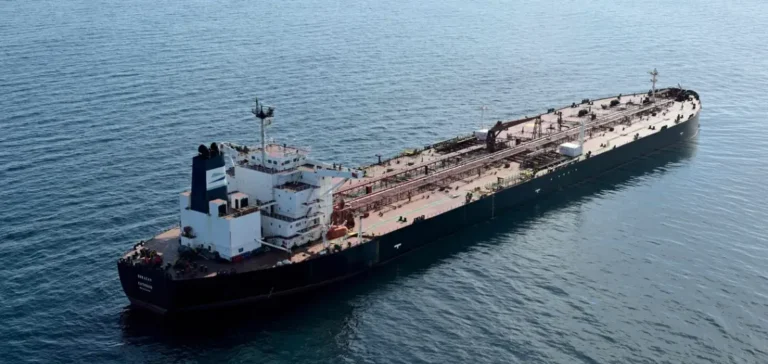

Two vessels transporting Russian oil were hit by successive drone attacks in the Black Sea as they headed to the port of Novorossiysk. The two tankers, Kairos and Virat, flying the Gambian flag, were under Western sanctions and identified as part of the “shadow fleet” moving Russian crude despite restrictions. The strikes occurred Friday night and again Saturday morning in the case of the Virat, in close proximity to Turkey’s exclusive economic zone.
Turkey swiftly expressed concern through an official statement by President Recep Tayyip Erdogan, describing the situation as a “worrying escalation.” Ankara views these attacks as a direct threat to navigation security, regional energy stability and the marine environment. The head of state stressed that the Black Sea is a strategically essential zone for hydrocarbon transport and that Turkey would closely monitor the situation.
Oil flows under pressure off Turkish shores
The two vessels were headed for Novorossiysk, a major Russian port on the Black Sea used for oil exports. The attacks come amid prolonged tensions between Ukraine and Russia, where energy infrastructure and logistics have increasingly become military targets. While Ankara did not specify the origin of the drones, Kyiv claimed responsibility for the strikes, describing them as measures against Russia’s oil revenues.
The tankers are believed to be operated by entities linked to export networks bypassing Western price caps. These so-called “shadow” maritime routes have expanded since the start of the conflict, enabling Moscow to maintain deliveries to Asia through opaque supply chains. The Black Sea remains a critical point in this trade, particularly through corridors between the Bosphorus and Russian ports.
Ankara maintains its role as regional energy mediator
In his address, President Erdogan reiterated Turkey’s position as a vigilant yet independent actor in the conflict. “We are issuing the necessary warnings to all relevant parties,” he stated. The head of state affirmed that Turkey remains open to supporting any plan aimed at de-escalating the conflict, in connection with ongoing diplomatic discussions.
Energy security in the maritime basin has become a central concern for Ankara in recent months. Located at the crossroads of East-West energy flows, Turkey has strengthened its role as a logistical platform, particularly in the transit of oil and gas. Any disruption in these maritime routes could affect regional markets and impact long-term contractual commitments.