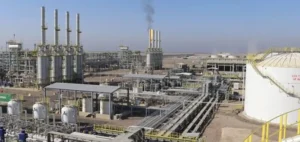

Harbour Energy plans to cut around 100 offshore jobs in the United Kingdom as part of an organisational review set to continue until the first quarter of 2026. This new wave adds to nearly 600 job cuts already announced since 2023, marking a clear reduction in the company’s UK footprint. Management cites an “uncompetitive fiscal regime” combined with lower energy prices as key drivers of the restructuring.
Progressive withdrawal from UK assets
Formed in 2021 through the merger of Chrysaor and Premier Oil, Harbour Energy initially held a leading position in the UK Continental Shelf. The company has since redirected its investments toward fiscally stable markets, including Norway, Mexico and Argentina, following the acquisition of Wintershall Dea’s assets. As these regions gain prominence within the company’s portfolio, the UK operational base continues to contract.
While the company still operates key assets such as Schiehallion and Clair, UK investment has declined since 2022. Capital is increasingly being redirected to jurisdictions offering legal security, stable taxation, and explicit support for the extended life of existing fields, shifting the UK from a growth engine to a managed-decline province.
Energy Profits Levy central to capital reallocation
The Energy Profits Levy (EPL) imposed by UK authorities brings the marginal tax rate for producers to 78%, combining multiple layers of taxation. Since 2024, reforms have extended this surcharge through 2030 and eliminated key investment allowances, reducing companies’ ability to mitigate the tax burden.
Future taxation mechanisms are expected to be indexed to market prices, entrenching long-term uncertainty over project profitability. In parallel, the North Sea Future Plan restricts new licensing to tie-backs around existing infrastructure, embedding a policy of managed decline for fossil fuel production.
Impact on the local industrial chain
The offshore workforce reduction is expected to trigger a contraction in activity for Aberdeen-based service providers, including logistics, maintenance and marine operations. With reduced visibility on future projects, some suppliers may need to downscale operations or workforce capacity.
Harbour Energy aims to simplify its UK structure and consolidate support functions globally. Each dollar saved in UK fixed costs can be redeployed to higher after-tax return projects in other regions, supporting a portfolio rebalancing strategy.
Shareholding structure under scrutiny
The company is partially owned (14.87%) by LetterOne, an investment fund linked to Russian individuals under international sanctions. Although LetterOne itself is not designated a sanctioned entity, its stake in a critical infrastructure operator continues to attract regulatory and parliamentary attention in the UK.
Harbour Energy has implemented a sanctions compliance policy aligned with UK, EU and US regimes and exercises control over intra-group financial flows. However, the shareholder structure remains a point of contention regarding governance expectations for strategic energy operators.
European implications of capital reallocation
Harbour’s shift in investment reflects the UK’s declining attractiveness for oil and gas capital deployment. As domestic production falls and fiscal pressure intensifies, operators increasingly favour jurisdictions perceived as more predictable.
This trend heightens UK dependence on liquefied natural gas imports and Norwegian gas, while reducing its ability to buffer energy supply shocks. Harbour Energy exemplifies a portfolio decision shaped as much by fiscal parameters as by governance and international compliance constraints.