
The federal government of Canada and the province of Alberta have signed a memorandum of understanding (MoU) to jointly develop a long-term nuclear strategy. The agreement, signed by Canadian Prime Minister Mark Carney and Alberta Premier Danielle Smith, sets out a framework to build and operate competitive nuclear generation capable of supplying local and interconnected markets by 2050.
According to the MoU, Alberta is expected to collaborate “on or before January 1, 2027” on the development of this strategy. In return, the federal government will support the creation of enabling policies for the deployment of nuclear technologies, carbon capture, utilisation and storage (CCUS), and energy storage systems.
Unprecedented cooperation on civil nuclear development
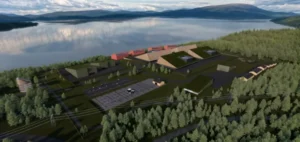
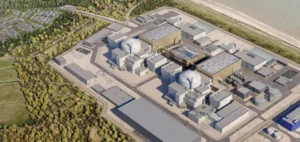
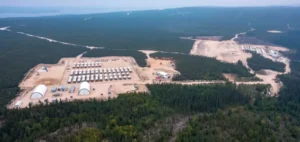
Alberta currently has no nuclear generation capacity. However, a project for a power plant with two to four Candu Monark reactors is under review in the Peace River region of northern Alberta, led by Energy Alberta. In parallel, another memorandum of understanding has been signed between Energy Alberta and Westinghouse to assess the feasibility of deploying an AP1000 reactor in the province.
The nuclear strategy is part of a broader move towards energy diversification. A recent study by X-energy Canada confirmed the feasibility of converting an existing thermal generation site in Alberta to host its small modular reactors (SMRs), which are seen as well suited to the needs of the oil sands industry.
Major infrastructure plans and political tension
Beyond the nuclear component, the MoU includes the development of what authorities describe as the world’s largest CCUS project, aimed at lowering the carbon intensity of Alberta’s oil production. It also grants priority status to a privately financed and Indigenous co-owned pipeline project.
The agreement also proposes exempting Alberta from Canada’s Clean Electricity Regulations, in exchange for a new long-term carbon pricing framework. This provision prompted a strong political response: former Minister of Environment Steven Guilbeault announced his resignation from his current cabinet positions, citing disagreement with the MoU’s terms.
New framework to reposition Alberta’s energy role
The Premier of Alberta welcomed the deal, which she said repositions the province as a strategic energy player at the national level. The agreement paves the way for new public and private collaborations in emerging energy sectors, while aligning local industrial interests with long-term development perspectives.